What should commercial landlords in London do before an EICR inspection?
Before an Electrical Installation Condition Report (EICR) inspection, commercial landlords in London need to complete five essential steps. These include confirming legal responsibility, ensuring access to all electrical areas, organising past electrical documentation, labelling circuits clearly, and informing tenants. Taking these actions helps prevent inspection failures, avoids costly delays, and supports compliance with the Electricity at Work Regulations 1989. A quick visual check for hazards can also eliminate last-minute issues.
Here's What We Have Covered In This Article
Why preparing for an EICR beats dealing with a failed one
EICR inspections frequently reveal avoidable problems. For landlords in London, especially in multi-tenant properties, being unprepared can lead to disruption, failed reports, and increased costs.
Inspectors often arrive to find locked risers, unlabelled fuse boards, or missing documentation. If they cannot complete the inspection, the report may be marked “unsatisfactory.” This guide explains the five tasks (plus one bonus step) that will help landlords avoid these problems and achieve a smoother inspection.
Include reference to the Health and Safety at Work Act 1974 alongside the Electricity at Work Regulations 1989. These legal frameworks place a duty on those responsible for maintaining safe electrical installations. The identified duty holder must take reasonable steps to ensure inspections occur within the recommended timeframe.
Pro Tip: Walk your building two days before the inspection and check every riser and cupboard for clear access.
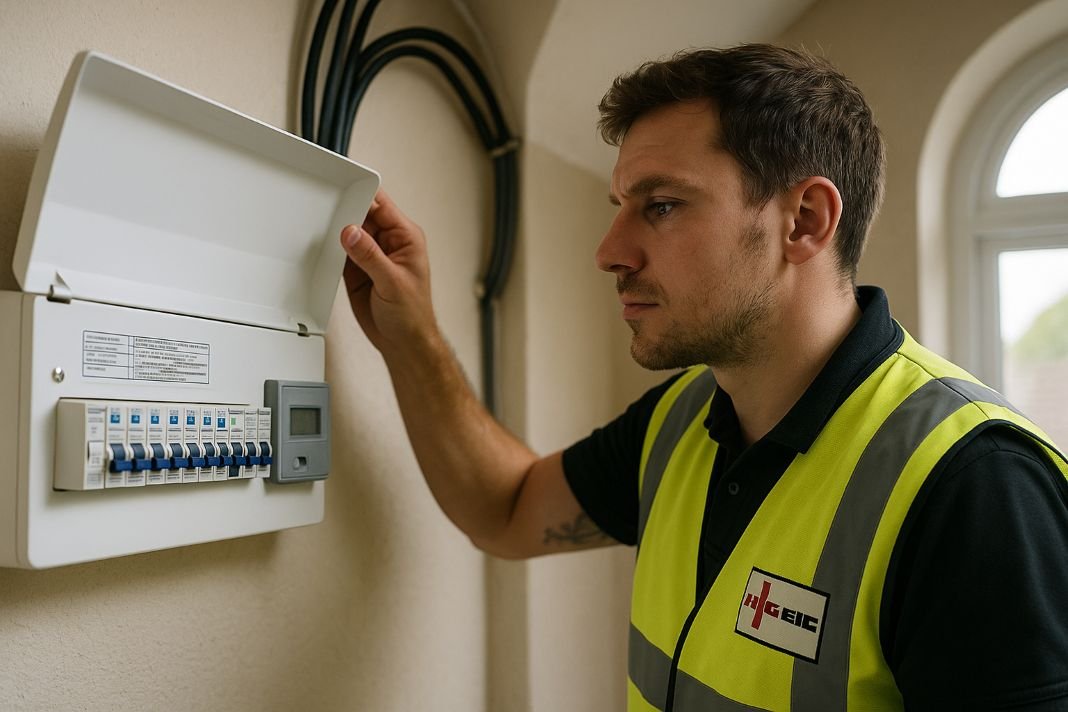
An ai photo of a electrician doing an EICR report
1. Confirm who is responsible: landlord, tenant or managing agent?
The responsibility for arranging an EICR depends on the terms outlined in the lease. Landlords should begin by reviewing these terms to understand the specific obligations.
Key questions include:
-
Is the duty holder clearly named in the lease?
-
Is a managing agent in charge of compliance?
-
Are responsibilities split between different areas or tenants?
It is important to check clauses related to electrical testing and health and safety within the service or obligations sections of the lease.
Common misunderstandings arise when:
-
Landlords expect tenants to handle it
-
Agents assume it has already been arranged
Checklist: Confirm responsibility
-
✓ Review the lease for inspection duties
-
✓ Clarify roles with the managing agent
-
✓ Identify responsibilities by unit or area
-
✓ Document shared responsibilities clearly
In London, this can be particularly challenging in older or heritage-listed properties where electrical infrastructure may be located behind restricted panels or in shared access zones. Advance planning is key to avoiding inspection delays in these environments.
2. Check access to all electrical areas (plant rooms, DBs and risers)
Access issues are a major reason for incomplete EICRs. Engineers must be able to inspect all relevant areas, including:
-
Electrical risers
-
Distribution boards (DBs)
-
Plant rooms
-
Utility cupboards and restricted zones
Before the electrical inspection, verify that keys, access codes, and escorts are available. Coordinate with reception or facilities managers to confirm that entry is possible.
Access preparation checklist
-
✓ List every electrical area to be inspected
-
✓ Confirm who holds keys or codes
-
✓ Ensure fire signage and access routes are clear
-
✓ Arrange escorts for secure areas if needed
According to BS 7671 (IET Wiring Regulations), maintaining accurate and up-to-date records is essential for assessing the ongoing condition of an installation. These documents form the backbone of a property’s electrical compliance file.
Be sure to store all records in a clearly labelled property compliance folder. This not only helps inspectors work efficiently but also supports long-term document control practices that many insurers and legal advisors now expect.
Pro Tip: Keep a digital folder of all EICR and electrical documents, your inspector will thank you.
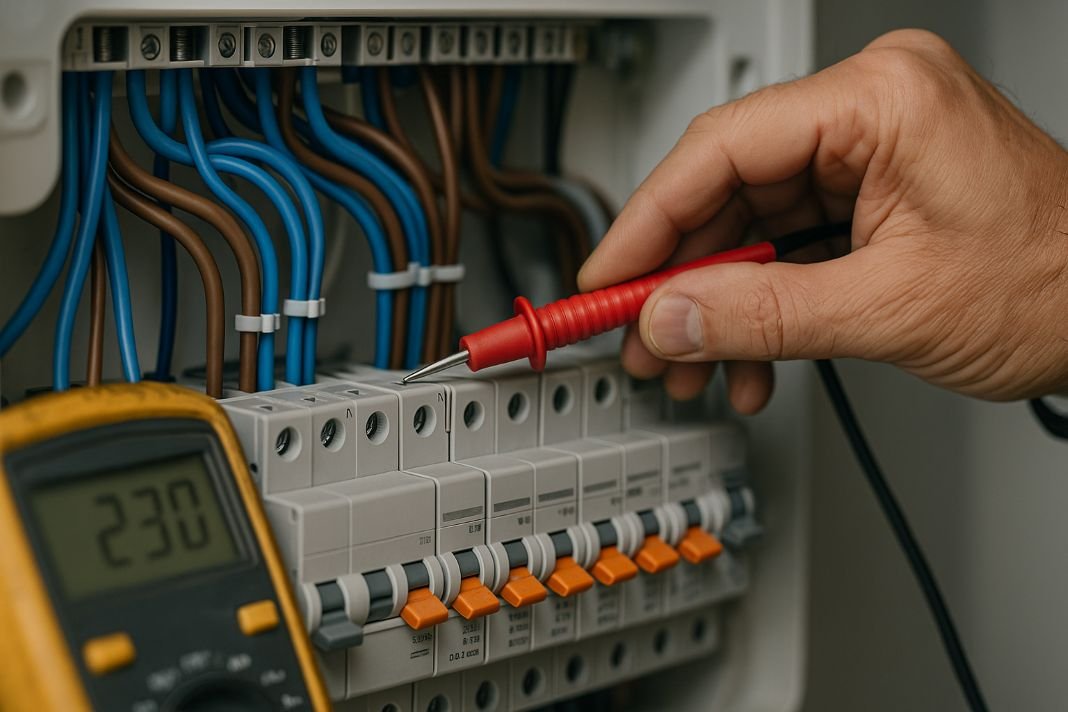
An ai photo of a electrician doing an EICR report
3. Review and organise past electrical documentation
Important records include:
-
Previous EICR reports
-
Minor Works Certificates
-
Evidence of completed remedial works
Organise these documents by tenant, area, or distribution board, and store them in an accessible central location.
Documentation checklist
-
✓ Collect all necessary reports and certificates
-
✓ Group documents by area or system
-
✓ Verify that records are current and complete
-
✓ Save files in a clearly labelled folder (digital or physical)
Book Your EICR
Get a certified NICEIC contractor on-site quickly to ensure you stay compliant and avoid disruption.
4. Label circuits and distribution boards clearly
If distribution boards are not properly labelled, inspections take longer and are more likely to receive advisory notes (C3). Labelling should follow consistent standards across all areas.
Each label should:
-
Clearly describe the circuit it represents
-
Be printed and permanently affixed
-
Use uniform naming conventions throughout the site
Some buildings use QR codes to connect boards to digital plans or maintenance records. If you update any labels, make sure all documentation is revised accordingly.
Label review checklist
-
✓ Check that all boards have readable, permanent labels
-
✓ Replace unclear or missing labels
-
✓ Match board names with circuit schedules
-
✓ Apply consistent labelling across the site
5. Notify occupants and plan for minimal disruption
Engineers may need access to tenant spaces or to turn off power briefly. Informing tenants ahead of time prevents confusion and maintains goodwill.
Include the following in your notification:
-
Date and time of inspection
-
Areas that require entry
-
Duration and timing of any power shutdowns
-
Names or credentials of visiting engineers
Send this information with enough notice for tenants to prepare. In larger buildings, coordinate with front-of-house teams and share a detailed schedule.
Communication checklist
-
✓ Notify tenants early with inspection details
-
✓ Avoid peak business hours where possible
-
✓ Share contact details for questions
-
✓ Provide a floor-by-floor access plan if needed
What to say in tenant notifications
Keep your communication clear and practical. Tenants want to understand what will happen, how it affects them, and whether they need to take any action. Use the following templates as a guide:
Standard office tenant template:
“An electrical safety inspection (EICR) is scheduled for [date], between [start time] and [end time]. Engineers will need access to [specific areas]. Power may be temporarily switched off during this time. If you have questions, please contact [name and number].”
Shared building template:
“A routine EICR will take place on [date]. Inspections will include corridors, risers, and shared plant areas. Please keep access routes clear. Engineers will be on-site from [start time] to [end time].”
An ai photo of a electrician doing an EICR report
Bonus: Pre-check for obvious hazards or DIY issues
A visual inspection before the engineer arrives can prevent common problems. Landlords should walk the building and look for issues that might delay or fail the EICR.
Look for:
-
Exposed wires or damaged electrical fittings
-
Extension leads connected in a chain
-
Tenant-installed sockets without approval
-
Open or unsecured fuse boards
If you find anything that seems unsafe, contact a qualified electrician. Fixing small issues early often avoids extra visits or urgent repair costs.
Walkthrough tips
-
Check corridors, kitchens, and shared areas
-
Look in risers and switch rooms
-
Ask tenants if they have noticed any electrical problems
Frequently asked questions about commercial EICRs in London
How often is a commercial EICR required?
Typically, commercial properties need an EICR every five years unless stated otherwise in the lease or a risk assessment.
What happens if I fail the EICR?
You must complete any required remedial works within the timeframe listed in the report. Each issue will be rated based on urgency and risk.
Is it legal to operate without a valid EICR?
If your building has not been tested and presents a risk, you may be in breach of the Electricity at Work Regulations 1989.
What does an EICR include?
The inspection checks the fixed wiring, distribution boards, earthing, bonding, and protective devices. Portable appliance testing is not included.
How long does an EICR take?
The time required depends on the size of the building. Small offices may take a few hours. Larger properties might take several days.
Get ahead, stay compliant
Electrical safety is both a legal duty and a best practice for property management. By completing these five preparation tasks, landlords can reduce inspection risks, maintain building standards, and protect tenant wellbeing. If you are unsure about any part of the process, contact a contractor accredited by NICEIC or NAPIT for advice.