How can you tell when a fire extinguisher expires?
You can find out when a fire extinguisher expires by checking the manufacture date stamp, service labels, inspection tags, and signs of wear. UK landlords must recognise that expired fire extinguishers can compromise tenant safety, void insurance, and breach legal requirements under fire safety law.
Here's What We Have Covered In This Article
Why knowing your fire extinguisher expiry matters
Fire extinguishers degrade over time. Pressure may fall, seals can weaken, and contents lose effectiveness. Landlords are legally responsible for ensuring all fire safety equipment is working properly. Failure to manage expiry risks could result in failed inspections, legal penalties, or insurance issues.
Tenants expect safety gear to work without question. If an extinguisher fails in an emergency, the outcome could be serious, including injury, damage, or legal consequences. Recognising expiry risks and acting early protects people and property.
A clean exterior does not mean an extinguisher is fit for use. Consistent checks and knowing the signs of expiry help landlords stay compliant and avoid problems.
Pro Tip: Store all extinguisher service records in one place and label each unit with the last check date for easy tracking.
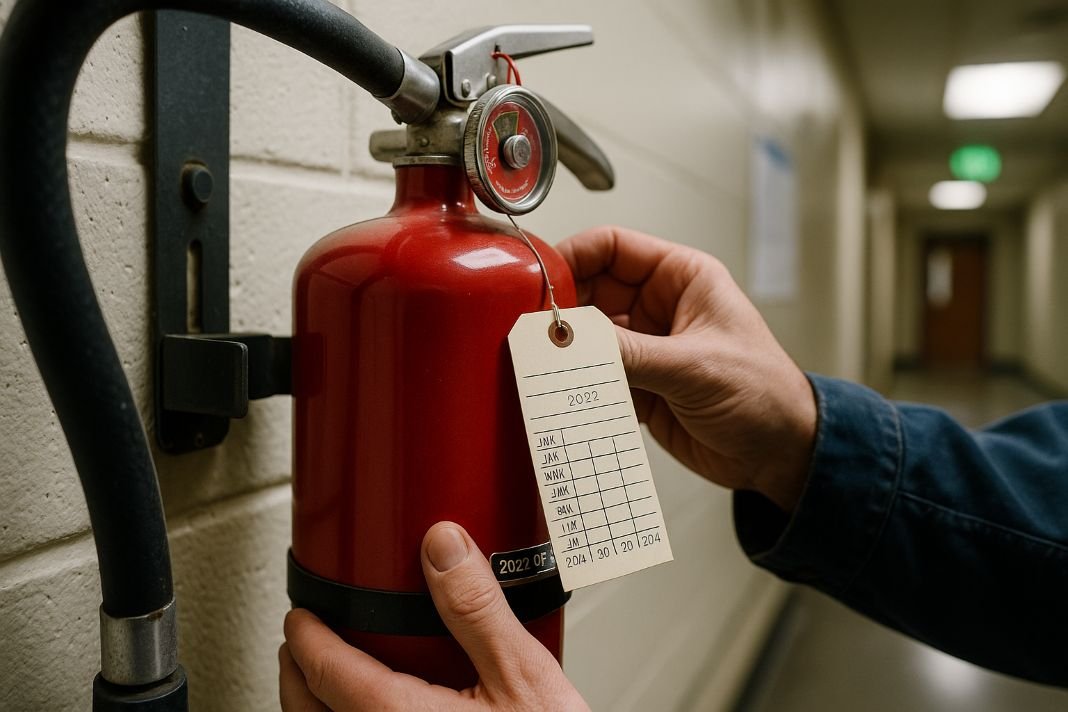
An ai photo of a fire extinguisher showing the expiry date
Common myths about fire extinguishers
Even experienced landlords may fall for common misconceptions. Here are a few to avoid:
-
“It looks full, so it must be fine” – Pressure or chemicals inside may still be compromised.
-
“Extinguishers last forever” – Most need replacing after 10 to 20 years.
-
“It passed last year’s check, so it’s good now” – Monthly checks are also essential.
-
“No one will ever use it” – It still must be maintained to meet legal standards.
-
“Only businesses need to follow extinguisher laws” – Landlords have legal duties too.
Clearing up these myths helps keep rental properties safe and compliant.
What does expired really mean for a fire extinguisher?
Most extinguishers do not carry a simple expiry label. Instead, expiry depends on age, service history, and the type of extinguisher. Disposable models are typically replaced after ten years. Refillable units can last longer but only with regular servicing.
A full extinguisher might not be safe to use. Leaking seals, low pressure, or chemical settling can affect performance. Regular maintenance prevents these issues and ensures safe operation.
Extinguisher lifespan and service intervals chart
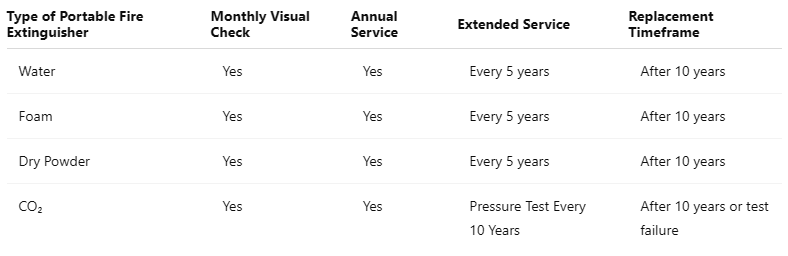
This chart offers a clear guide for landlords managing fire extinguisher service intervals.
Pro Tip: Even if a CO₂ extinguisher looks unused, its weight is the best clue to whether it’s still pressurised.
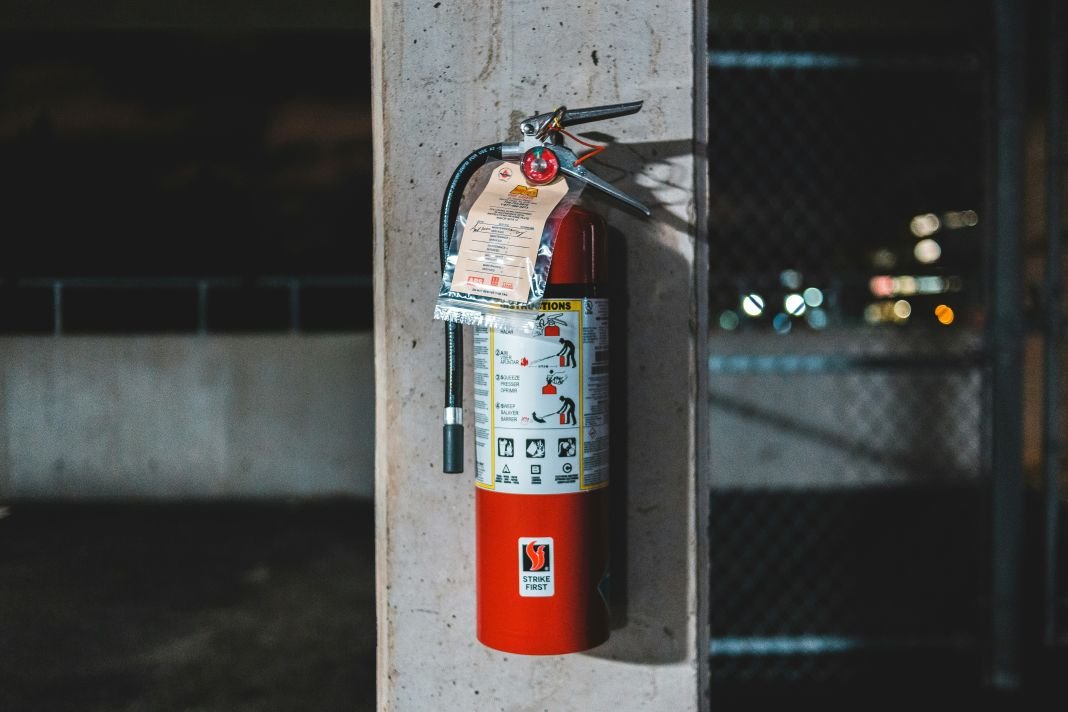
Where to find the expiry or manufacture date on your extinguisher
How to check fire extinguisher expiry in the UK
Fire extinguishers usually do not have an obvious expiry label. You can find relevant information in several places:
-
A stamped date on the neck or base
-
A printed manufacture date on the label
-
Service tags or inspection labels
-
Serial or batch codes that include a date
If you cannot read or find a date, it is safest to assume the extinguisher is out of date. A qualified technician can inspect the unit and confirm whether it is still usable.
Types of fire extinguishers in residential properties
UK landlords typically provide one or more of the following types:
-
Water – For fires involving wood, paper, or textiles
-
Foam – Suitable for flammable liquids and general use
-
Dry Powder – Versatile but messy, good for multiple fire types
-
CO₂ – For electrical fires, clean but less effective in open areas
Choosing the right extinguisher depends on the property and tenant needs.
Book Your Fire Safety Inspection
Make sure every extinguisher in your property meets UK legal standards with our certified inspection.
Signs that your fire extinguisher may no longer be safe
Look out for these warning signs:
-
Pressure gauge in the red
-
Broken or missing tamper seal
-
Rust, dents, or corrosion
-
Damaged or blocked hose or nozzle
-
Caked powder at the bottom of powder units
-
CO₂ extinguisher feels unusually light
Spotting these issues early reduces risk. Regular monthly checks help prevent surprise failures.
Understanding legal maintenance rules in the UK (BS 5306)
Landlords must follow BS 5306 3:2017. Key rules include:
-
Monthly checks to confirm condition and accessibility
-
Annual servicing by a professional technician
-
Five year servicing for water, foam, and powder types
-
Ten year pressure testing for CO₂ units
Maintaining a fire extinguisher service log and keeping documentation up to date supports compliance with fire extinguisher regulations in the UK.

What a fire safety certificate includes
A fire safety certificate inspection will typically involve:
-
Checking every extinguisher’s condition and pressure
-
Confirming the presence of labels and tamper seals
-
Verifying correct placement and signage
-
Issuing a written report and fire safety inspection certificate
This certification helps with insurance, council inspections, and general peace of mind.
What landlords can inspect versus what technicians must do
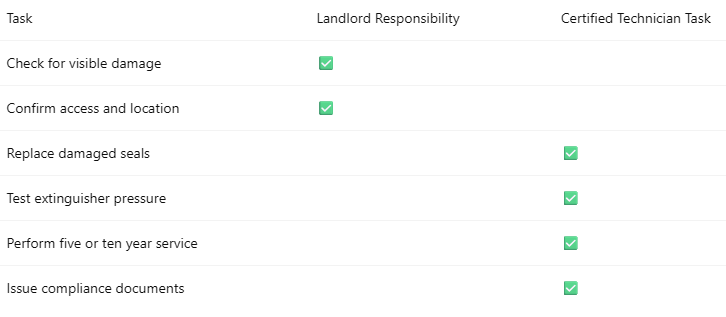
Knowing where landlord duties end helps avoid missed steps in compliance.
What every landlord needs to know about fire safety compliance
UK fire safety law applies to all landlords, especially in HMOs or multi lets. Extinguishers must be present, safe, and regularly serviced. Falling short can lead to enforcement, fines, or legal claims.
If an extinguisher fails during a fire, the landlord may be held responsible. Keeping to BS 5306 and recording all checks shows that you have met your obligations.
When to replace an extinguisher or call a certified technician
Replace or call in a technician when:
- No readable date or label is found
- The extinguisher is more than ten years old
- It fails basic safety checks
- It has not been serviced within the last year
- It shows signs of damage or corrosion
Cost wise, a new extinguisher ranges from £25 to £60. If you are unsure, booking a fire safety inspection helps clarify what is needed.
Fire extinguisher safety for landlords includes knowing when to act and who to call.
Final checks for landlords
To stay compliant:
✅ Check dates and pressure on each unit
✅ Inspect for damage or missing seals
✅ Keep a fire extinguisher service log for monthly checks
✅ Schedule yearly professional servicing
✅ Replace old or faulty extinguishers
Regular maintenance protects tenants, satisfies legal duties, and helps avoid costly problems later.