Do safety certificates actually affect landlord insurance premiums in London?
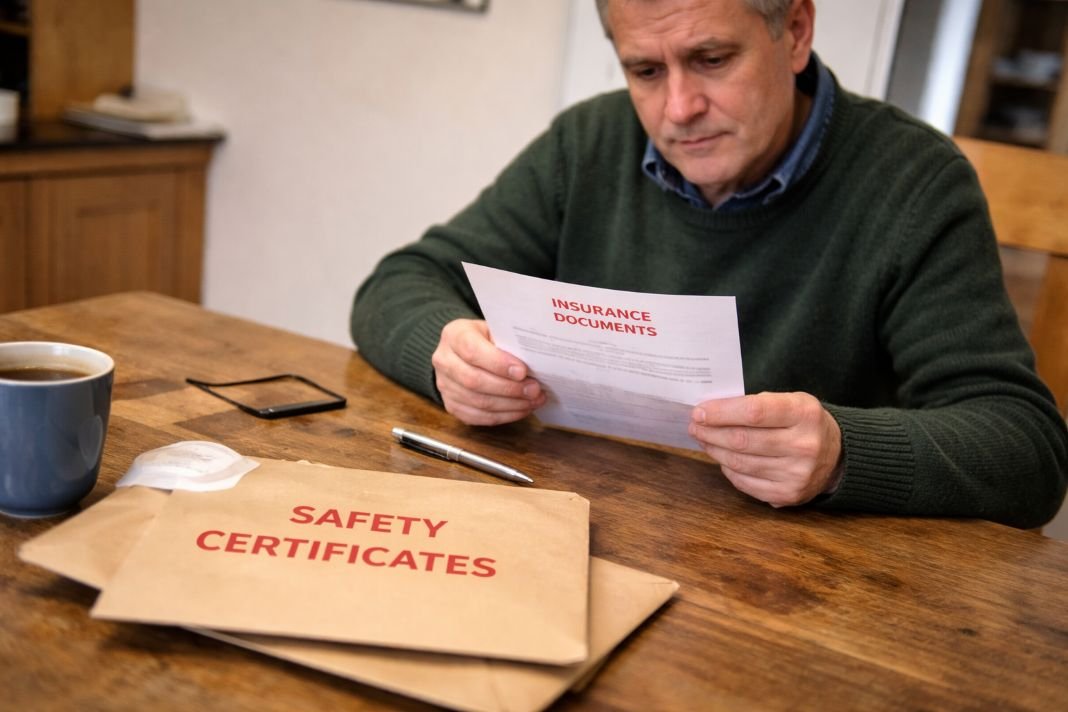
They can, but not in the way many landlords expect. Most insurers do not provide automatic discounts for having certificates. Instead, they view safety documentation as a way to reduce uncertainty about risk. When insurers see recent, verifiable safety evidence, they feel more confident that the property is well-managed. This confidence can influence key landlord insurance premium factors in London, such as base price, exclusions, excess amounts, and claim handling.
Here's What We Have Covered In This Article
How safety certificates influence landlord insurance premiums (and why it is rarely a simple discount)
Insurance underwriters act as cautious gatekeepers. They are not focused on good intentions. What they need is proof that the property is being managed responsibly. Safety certificates provide this proof by showing that critical systems have been checked and risks addressed.
Three main parts of a policy are shaped by documentation:
-
Premiums tend to increase when insurers cannot see evidence of compliance.
-
Terms and conditions may include added exclusions or higher excess levels.
-
Claims may be delayed, restricted, or denied if certificates are not up to date.
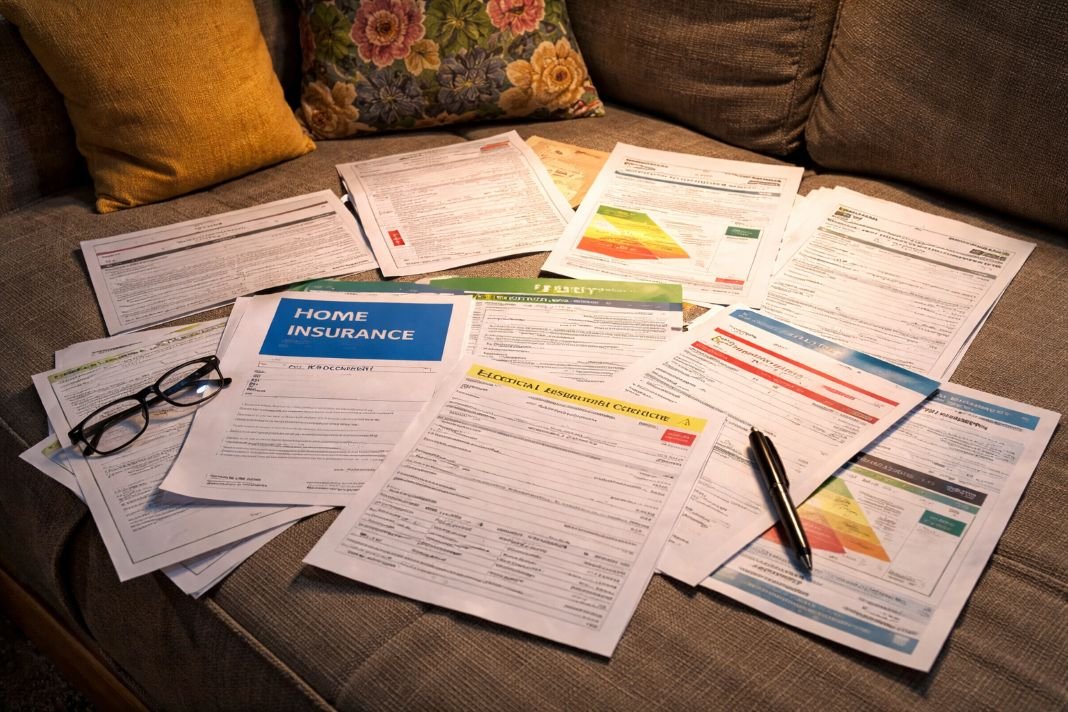
Insurers expect landlords to prove compliance, especially when policies include conditions precedent or obligations to take reasonable precautions. Missing a certificate can lead to coverage disputes, not just legal consequences. Documents like the CP12, EICR, and FRA help prevent this friction by forming a clear evidence trail.
Brokers often request these certificates at the quote stage, during renewals, or when a claim is filed. If they are not available, expect delays or limitations.
Pro Tip: Always store remedial proof with the original report to prevent delays during claims.
Which safety certificates matter most to insurers (the “big three” plus supporting documents)
The most important certificates relate directly to the most common and serious risks: gas, electrics, and fire.
The Big Three
- CP12 (Gas Safety Certificate): Verifies the safety of appliances and flues every year.
- EICR (Electrical Installation Condition Report): Checks the condition of fixed wiring every five years.
- Fire Safety Evidence: Includes fire risk assessments, alarm testing logs, emergency lighting certificates, and sometimes fire door reports.
Supporting Certificates
- EPC (Energy Performance Certificate): Required under MEES to confirm lettability.
- PAT Testing: Relevant when the landlord provides plug-in appliances.
- Alarm and Lighting Certificates: Often needed in HMOs and buildings with shared access.
Depends on Property Type
A single-let flat typically requires fewer documents. In contrast, a converted building or HMO needs more. If a property has common areas or is licensed, insurers expect additional fire documentation.
Key cycles:
- CP12: Annually
- EICR: Every five years
- EPC: Every ten years
Landlords often find insurers ask for these documents during or after a claim. These requests usually match whatever the landlord declared in their proposal form or previous renewals.
Gas Safety (CP12): how insurers use it during renewals and claims
The CP12 is required by law every 12 months. It must be completed by a Gas Safe engineer and should list all gas appliances checked.
Insurers take gas incidents seriously. Fires, explosions, and carbon monoxide leaks carry high liability. If a claim involves gas and no current CP12 is available, the claim may be delayed or challenged.
It helps to complete the gas safety check alongside the annual boiler service. Save the PDF in your compliance folder, labelled with the property address and issue date.
EICR: when electrical paperwork affects premiums, excesses, and cover
EICRs are required at least every five years. These reports are coded to flag risk levels:
-
C1: Immediate danger
-
C2: Requires urgent attention
-
C3: Improvement advised
-
FI: Further investigation required
An “unsatisfactory” report needs remedial action. Most insurers expect proof that corrective work was completed. Without this, they may increase the policy excess, impose restrictions, or refuse a future claim.
Make sure to store the original EICR with the repair documents. Insurers expect a full trail. Incomplete records often result in further document requests or slower claim processing.
Simplify Your Insurance Renewals
We’ll give you a full compliance pack ready for your broker or insurer.
Fire safety evidence in London rentals (especially HMOs): what insurers want to see
There is no single fire safety certificate. Insurers look for a complete record of assessments, testing, and maintenance.
For HMOs or properties with shared access, keep:
-
A Fire Risk Assessment (FRA)
-
Alarm servicing records
-
Emergency lighting inspection certificates
-
Fire door checks (if applicable)
Insurers request this documentation frequently. It helps them assess not only initial risk but also ongoing landlord diligence. Missing documents may lead to exclusions or claim disputes.
Fire safety gaps are one of the most common reasons insurance claims are refused.
EPC and MEES: the indirect insurance impact landlords overlook
The EPC is about compliance and property status. It matters to insurers when a property fails MEES requirements. If a property is not legally lettable, this can affect the type of policy needed.
Unlettable properties may:
-
Require vacant property insurance
-
Attract higher premiums
-
Be excluded from certain cover (for example, escape of water)
Additionally, poor EPC ratings can be a sign of energy inefficiency. This is often linked to damp and mould, which are both common sources of insurance claims.
Pro Tip: Keep each certificate clearly labelled with the property name and expiry date to avoid confusion at renewal.
Why London properties get extra scrutiny (age of stock, conversions, HMOs, licensing)
London’s housing stock is older and more varied. Many properties are conversions or shared tenancies. That creates extra risk.
Insurers typically request more documentation when:
- A building has multiple tenancies
- The property is licensed as an HMO
- The local authority is known for active enforcement
In these cases, insurers often apply stricter conditions. Documents may be required upfront or during policy mid-term checks. Failing to produce evidence can result in policy changes or cancellations.
What to keep on file: the insurance-ready compliance pack
Build a digital file for each property. Include:
- CP12
- EICR
- EPC
- FRA (if applicable)
- PAT test report (if appliances supplied)
- Fire alarm and emergency lighting records
- Proof of repairs/remedial action
- Booking and access attempts
This ensures all your documents are in one place, ready for renewal or claims.
File naming example: Flat10_Kennington_EICR_2026.pdf
Use cloud storage. Keep remedial documents attached to the original report. This creates a single source of truth.
Support for Agents and Portfolio Landlords
Manage multiple properties with less admin and faster turnaround.
How to stay compliant with less admin: bundling inspections and tracking renewals
To stay compliant, track your timelines:
-
Annually: CP12, alarm checks
-
Every five years: EICR
-
Every ten years: EPC
Bundle inspections to reduce disruption. Many providers offer combined appointments. This also helps ensure nothing is missed.
Try to schedule inspections around tenancy changes. Keeping things predictable reduces admin and stress.
Landlord Building Certificates in London: consolidated inspections and fast certificate turnaround
LBC offers:
-
CP12
-
EICR
-
EPC
-
Fire alarm checks
-
Emergency lighting
-
PAT testing
Their engineers are accredited, and certificates are delivered quickly. Combined visits help reduce access issues and keep files consistent.
This setup helps landlords and agents avoid late renewals, mid-term adjustments, or missed claim documentation.
FAQ: common myths about certificates and insurance
-
Will insurers ask for certificates? Yes, particularly at renewal or after a claim.
-
Is booking an inspection enough? No. Insurers require the completed certificate.
-
Does a failed EICR void insurance? Not automatically. But unresolved issues may affect claims.
-
Do single-lets need fire paperwork? Often no. But shared properties usually do.
-
Does the EPC rating matter? Yes, if the property becomes unlettable or void.
-
What do insurers ask for after a claim? Typically, CP12, EICR, EPC, FRA, and remedial proof.
Final Word
Insurers base premiums and claims decisions on evidence. Safety certificates are a key part of that. They show risk has been addressed and legal duties met.
Keeping these records current protects more than your tenants. It protects your policy. When insurers ask for documents, you want your answers ready.