What steps should landlords take to prove compliance across multiple properties?
Landlords must maintain up-to-date safety certificates, ensure inspections are carried out by accredited professionals, track expiry dates, and keep well-organised documentation for each property. Using consolidated inspection services and appointing a compliance coordinator streamlines this process. Being audit-ready at all times ensures legal requirements are met and supports defensibility during inspections or enforcement actions.
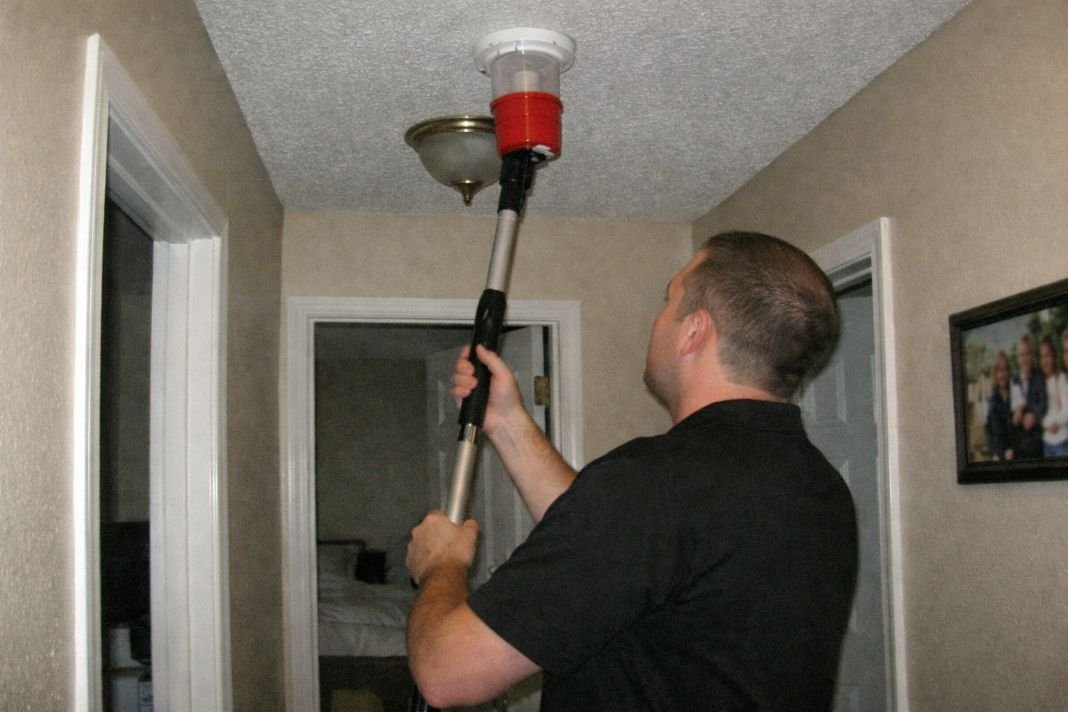
An illustrative image of a residential hallway where a fire alarm is being tested by a professional
Here's What We Have Covered In This Article
Understand What Compliance Means Across Properties
Compliance in rental property management refers to meeting all statutory safety, energy and housing standards set out in UK legislation. Each property must be assessed and documented through specific certificates governed by relevant authorities and regulations.
The core certificates typically required for renting out properties in England include:
- Gas Safety Certificate (CP12)
- Electrical Installation Condition Report (EICR)
- Energy Performance Certificate (EPC)
- Fire Alarm Certificate
- Emergency Lighting Certificate
- Portable Appliance Testing (PAT) (if appliances are provided)
These certificates are not optional. They are time-bound and must remain valid throughout tenancy periods. For instance, Gas Safety Certificates must be renewed annually, while EICRs in most cases are required every five years. Each document serves as legal proof that a property complies with landlord obligations under housing regulations, and failure to provide them can result in enforcement action or invalidate insurance.
Pro Tip: Use one calendar or tracking tool across your entire portfolio to reduce missed renewals across properties.
Centralise Documentation for Every Property
Managing several properties often leads to scattered files and unreadable paper trails. This becomes a liability during spot checks, disputes, or renewals.
Imagine being asked by a local authority to produce an EICR for a property you manage. If records are buried in email threads or spread across multiple drives, delays can lead to penalties or licensing issues.
A practical and consistent approach includes:
- Creating a dedicated folder for each property
- Naming files clearly with the certificate type and date (e.g. “EICRFlat20Oct2025.pdf”)
- Using cloud-based storage or shared drives for secure access
- Keeping a changelog or versioning notes for renewed or updated documents
Digital organisation makes audit readiness straightforward. It also supports smooth handovers if responsibilities change between staff or agents. The goal is instant retrievability without sorting through unnecessary details.
Use Consolidated Inspection Services
Separate inspection bookings for each certificate type on every property can be time-consuming and cause disruption to tenants. By contrast, bundled services reduce visits, save money, and simplify compliance.
Working with a provider like Landlord Building Certificates allows landlords to book combined inspections in a single visit. For example, a trained engineer can carry out the Gas Safety check and EICR during the same appointment, with digital certificates issued as part of a streamlined process.
Certificates that are often bundled include:
- Gas Safety Certificate
- EICR
- EPC
- Fire Alarm Test
- Emergency Lighting Certificate
- PAT
Consolidation improves scheduling efficiency by reducing repeat site visits and minimising inconvenience for tenants. It also lowers the risk of overlooking requirements when managing properties at scale.
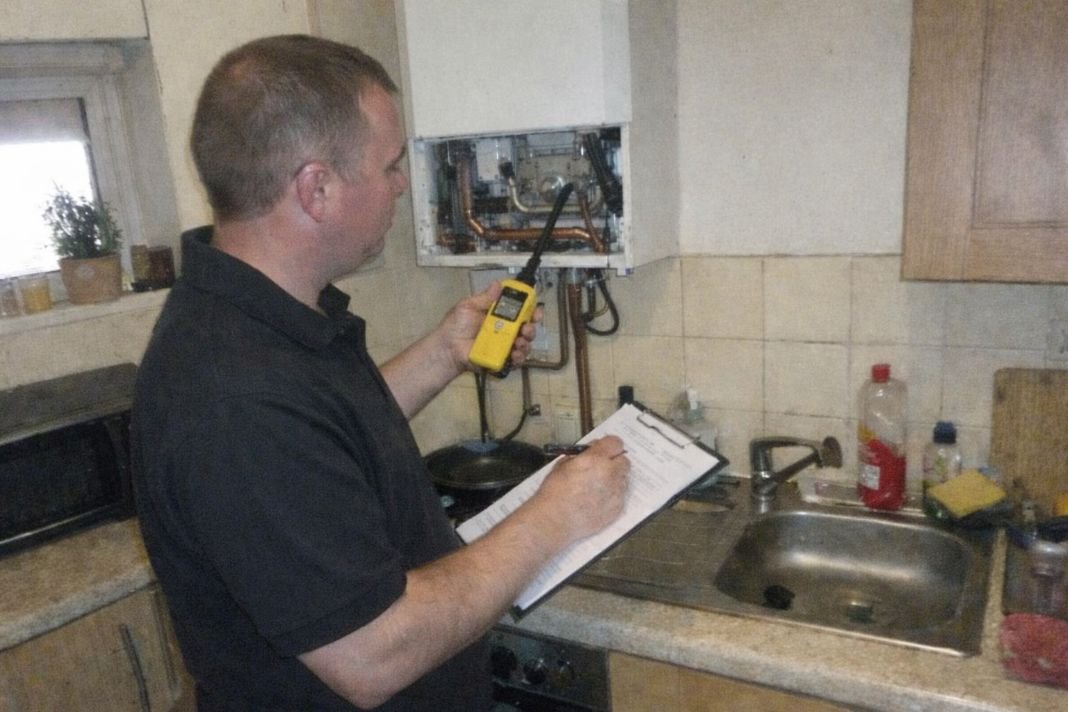
A representative image of an engineer conducting a gas inspection in a small UK rental kitchen.
Schedule a Combined Inspection
Simplify compliance with one visit for multiple certificates. Save time and avoid scheduling conflicts.
Track Renewal Cycles and Expiry Dates
Certification is cyclical. Compliance today will not guarantee compliance tomorrow if renewals fall through the cracks.
Each certification comes with a fixed validity period:
- Gas Safety Certificate to every 12 months
- EICR to usually every 5 years
- EPC to every 10 years, or sooner if major works take place
- Fire Alarm and Emergency Lighting Certificates to generally annual
- PAT to frequency can vary, but often annually
To stay ahead, landlords should build a compliance calendar that flags expiry dates across all properties. This can be a simple spreadsheet or part of a property management system that issues alerts in advance.
A lapse in certification endangers tenant safety but may lead to:
- Licensing delays or suspensions
- Fines or improvement notices from local councils
- Insurance claim denials for non-compliance
Advance planning makes renewals routine rather than reactive.
Pro Tip: Store engineer accreditation details digitally alongside each certificate to make audit preparation effortless.
Maintain Evidence of Engineer Accreditation
Certificates are only valid if issued by appropriately qualified professionals. Relying on unregistered contractors can result in documents that carry no legal weight.
Before hiring an inspector, landlords should verify:
- Gas Engineers are listed on the Gas Safe Register
- Electricians are NIC EIC certified
- Energy Assessors are approved under relevant assessor schemes
- Fire safety inspections are carried out under recognised bodies or frameworks like TrustMark
When certificates are issued, they usually include the inspector’s ID number or registration details. Landlords should store this alongside the relevant document for future reference or inspection response.
Keeping proof of accreditation ensures legal defensibility and demonstrates due diligence in contractor selection.

An illustrative image of a landlord organising property documents at a kitchen table with folders and a laptop.
Prepare for Spot Checks and Licensing Audits
Local authorities and licensing bodies have the capability to request compliance evidence at any time. This can include random spot checks or formal audits during licence applications or renewals, particularly for Houses in Multiple Occupation (HMOs) or properties under selective licensing.
To avoid last-minute scrambles, landlords should maintain a property-specific compliance pack that includes:
- Current versions of all required certificates
- Accreditation records for contractors used
- Notes or schedules for next inspections
- Records of tenant communication regarding safety or maintenance
Having these details prepared and accessible allows landlords to respond swiftly to enforcement queries and avoid business disruption. This also positions the portfolio as low-risk in the eyes of councils and licensing bodies, supporting smoother renewals or licence processing.
Get Help Organising Compliance Records
Let us help set up document folders, version tracking, and digital storage so you’re always audit-ready.
Appoint a Designated Compliance Coordinator
Without clear ownership, compliance tasks can easily be forgotten or mismanaged, especially when operating across multiple properties.
Assigning a single person or role to oversee the compliance process introduces accountability to ensure inspections, renewals, documentation and scheduling are handled systematically. This person may be:
- An in-house team member
- A trusted letting agent
- An external compliance service provider
The key benefit lies in centralised oversight. A compliance coordinator helps prevent duplicated efforts, missed deadlines, and communication breakdowns. For growing portfolios, clarity in delegation often results in fewer surprises and better outcomes during audits or renewals.
Even for individual landlords without a team, acting with the mindset of a compliance coordinator can reduce long-term risk and support better record keeping.
Proving compliance across multiple properties does not require complex systems or layers of oversight. It demands structured routines, clear documentation, and reliable service partners. With the right processes in place, compliance becomes a manageable part of ongoing rental operations rather than a recurring source of pressure.