Why do online safety certificate bookings get rejected?
Online safety certificate bookings are often rejected due to avoidable issues such as incomplete details, incorrect certificate requests, or properties not being inspection-ready. Addressing these common problems can significantly reduce failed visits and delays.
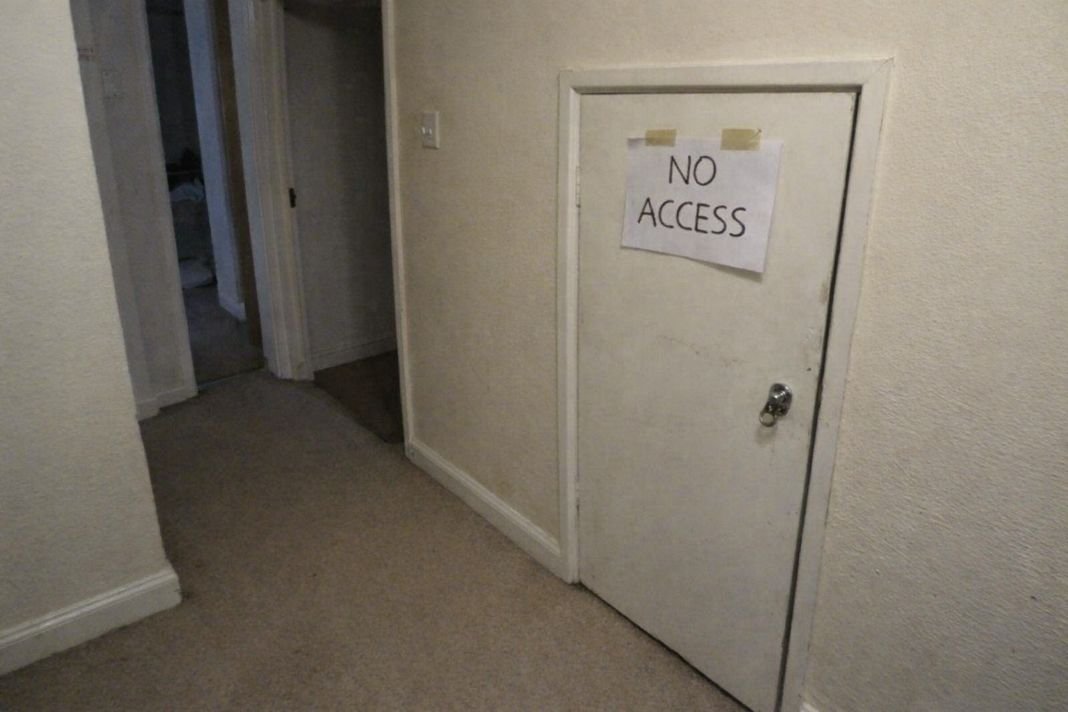
An illustrative image of an empty hallway in a rental property with a locked meter cupboard door and no access note
Here's What We Have Covered In This Article
Incomplete or Incorrect Booking Information
Basic administrative errors are one of the most preventable reasons for a rejected safety certificate booking. Even small inaccuracies can block an engineer from completing their work.
Common booking form errors include:
- Incorrect or outdated contact details for access, especially if a tenant is involved
- Missing door codes or entry instructions for managed flats or HMOs
- Submission of inaccurate property information, such as booking a service for the wrong address
- Selecting the wrong certificate type based on autofill data or saved user input
- Omitting key compliance information required for inspection eligibility
A missed digit in a postcode or an old phone number can result in missed appointments, causing delays to compliance and possible additional charges. Booking systems, especially those managed via letting portals or internal tools, are particularly prone to autofill errors.
To prevent these issues, double-check every field before submitting a request. Confirm current contact details, ensure access notes are included, and cross-check property and certificate type selections. A few extra minutes spent upfront can avoid days of disruption later.
Pro Tip: Use a single platform for all communications and changes to maintain clear oversight and reduce missed messages.
Property Not Ready for Inspection
An inspector cannot assess what they cannot access. Regardless of how promptly a booking is made, if the property itself is not prepared, the engineer cannot complete the visit.
A property is considered inspection-ready when:
- Electricity and gas supplies are live and accessible
- Tenants or managing agents are available to grant access at the scheduled time
- No renovation or maintenance work is obstructing key systems or circuits
- Appliances or systems to be tested are visible and connected
For instance, an EICR cannot be carried out if there is no capability, just as a CP12 gas safety certificate cannot be issued if the gas is capped or appliances are disconnected.
- Ensure utilities are live and any isolation switches are accessible
- Inform tenants well in advance and confirm availability
- Delay bookings if major works could obstruct systems
- Ensure appliances to be tested are in place and operable
Preparation ahead of time avoids wasted visits, unnecessary costs, and delays in compliance progression.
Wrong Certificate Type Requested
Booking the wrong certificate is surprisingly common and can derail compliance timelines, particularly when legal deadlines are involved.
To clarify frequently confused services:
- EICR (Electrical Installation Condition Report): Assesses fixed wiring throughout the property
- PAT (Portable Appliance Testing): Checks plug-in electrical appliances, usually supplied by the landlord
- CP12/Gas Safety Certificate: Legally required annual gas inspection covering appliances and pipework
- Boiler Service: Routine maintenance, not a compliance certificate
- EPC (Energy Performance Certificate): Assesses energy efficiency, not safety
- Fire and Emergency Lighting Certificates: Apply to properties with communal or commercial areas, not standard single lets
These services are not interchangeable. Booking an EPC when an EICR is required will not satisfy legal obligations. Likewise, requesting a PAT test where none is needed wastes time and resources.
If unsure, review current compliance documents or contact your service provider to confirm what is due. Avoid assuming that one visit covers all requirements.
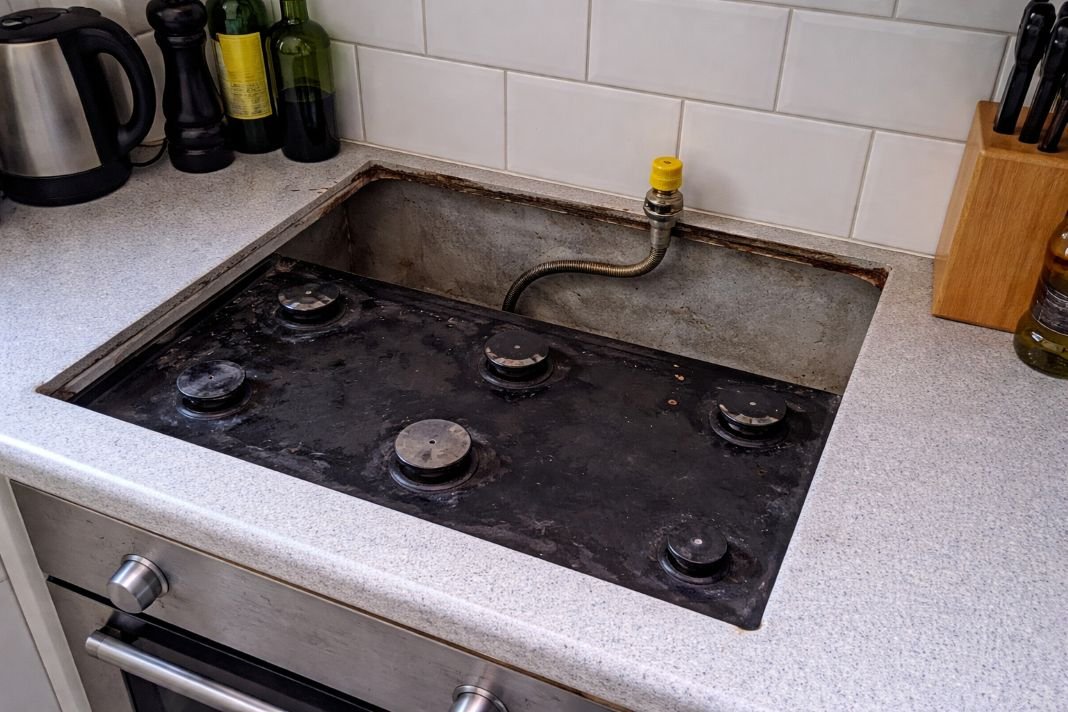
An illustrative image of a kitchen with the gas hob disconnected and a capped off gas pipe visible, showing a clear view of utility access
Speak to a Compliance Advisor
Not sure which certificate you need? Speak with one of our compliance advisors for tailored guidance.
Expired or Invalid Accreditation of Previous Work
New certificates depend on prior installations being fully certified and compliant. If older works lack appropriate paperwork or safety approvals, new certificates may be denied.
Common examples include:
- A newly installed consumer unit that lacks an NIC EIC installation certificate
- A replacement boiler installed without evidence of Gas Safe notification
- Electrical rewiring carried out without proper Part P documentation
Engineers are bound by legal standards. They cannot certify systems that sit on non-compliant foundations or lack proof of previous accreditation.
To avoid this issue:
- Retain installation certificates and Building Control approvals, where applicable
- Request retrospective certification if documents are missing, where possible
- Avoid booking compliance services until any uncertified works are addressed
Compliance is sequential. Each step depends on the one before it being properly documented and verified.
Pro Tip: Save digital copies of all past installation certificates so they are easy to retrieve during bookings.
Misaligned Booking Expectations
A frequent source of frustration arises when property owners assume that inspections include remedial repairs or installation upgrades.
During a safety certificate visit, the engineer will only carry out the inspection required to issue (or fail) the certificate. For example:
- EICR: Identifies faults, but does not include repairs
- CP12: Checks appliances, but does not include servicing or parts replacement
- PAT Testing: Covers appliances, not fixed wiring or sockets
If issues are found, follow-up works must be booked separately. Occasionally, a provider may offer combined inspection and remedial services, but scope must be agreed in advance. Engineers are typically not equipped to carry out repairs without proper scheduling and parts.
To ensure clarity:
- Request a separate quotation for remedial works if likely
- Use bundled visits where appropriate, but confirm scope beforehand
- Avoid assuming “just fix it while you’re here” will be possible on the day
Clear expectations ensure efficient visits and avoid extra costs or disrupted schedules.
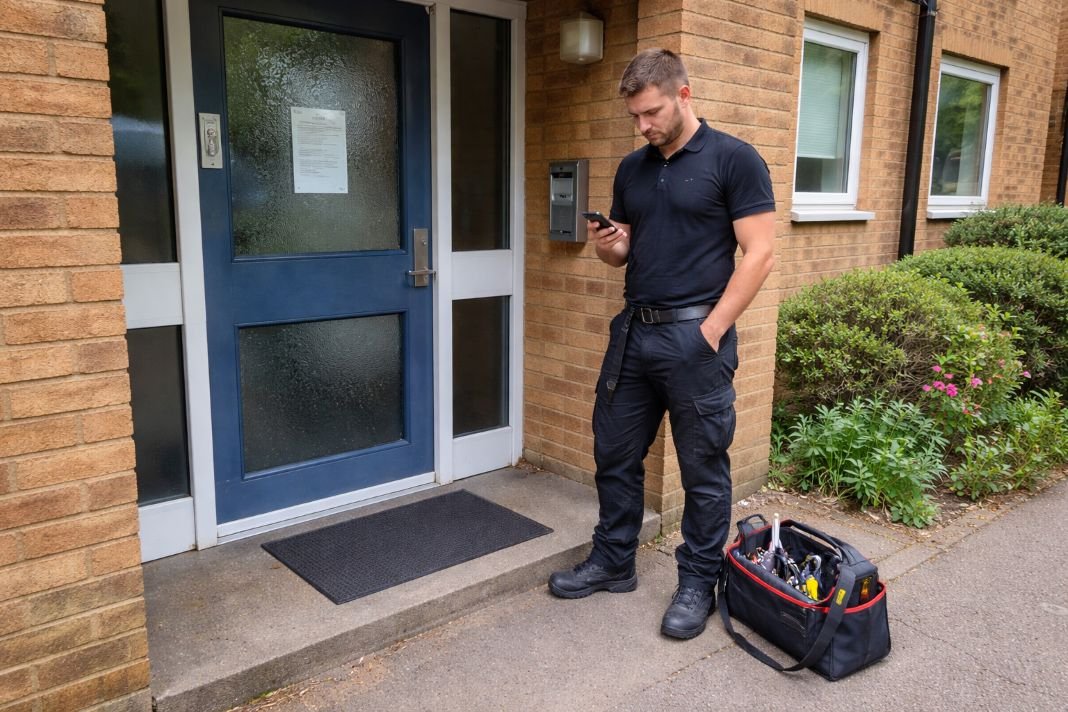
An illustrative photo of an engineer standing outside a residential flat with his toolbag
Last-Minute Changes or Cancellations
Same-day cancellations or late access changes can derail engineer scheduling and lead to rejection fees.
Real-world consequences include:
- Engineers arriving to find no access and logging a failed visit
- Delays in issuing certificates due to rescheduling queues
- Client incurring a no-access or late cancellation fee
- Disruption to legal renewal timelines, particularly for expiring certificates
Engineer routes are planned tightly to cover multiple properties per day, often across a large area. A missed or delayed appointment affects the current client but others scheduled later.
To reschedule without issue:
- Provide as much notice as possible, ideally 24 hours or more
- Confirm access arrangements the day before
- Communicate changes through the same platform used to book
Consistency and responsiveness preserve time, budget, and legal status.
Book a Safety Certificate Inspection
Avoid delays and rejections by scheduling your inspection with properly prepared documentation.
Non-Compliance with Legal Prerequisites
Some inspections cannot proceed unless certain installations or documents are already in place. Without meeting these minimum requirements, bookings are often rejected at the doorstep.
Examples include:
- EPCs require the property to be complete, with fixed heating and lighting systems installed
- Fire alarm certificates require alarm systems to be present and powered
- Emergency lighting inspections require fully installed lighting in all relevant areas
- Commercial properties may need layout plans or previous assessments available for review
Before booking:
- Ensure relevant systems are already installed
- Confirm access to all testing points, including communal areas if applicable
- Gather prior reports or certificates if the inspection relies on existing documentation
- Verify property meets the minimum requirements for the requested certificate
Pre-emptive checks save time and avoid unnecessary callout fees.
How to Avoid Rejected Bookings Altogether
Most booking rejections can be avoided with a few structured checks before confirming an appointment.
- Double-check booking form details, including contact numbers and access instructions
- Confirm the exact certificate type required based on your legal obligations
- Ensure the property is inspection-ready: live utilities, access arranged, tenants notified
- Retain and present any previous installation certificates that may be relevant
- Understand the scope of an inspection-only visit and arrange follow-up works separately
- Avoid same-day changes or cancellations; reschedule with proper notice
- Confirm all legal prerequisites are in place, especially for commercial or multi-unit properties
Proactive planning prevents delays but also helps landlords and agents keep properties compliant without excess cost or disruption. A structured approach to each booking ensures smoother inspections, fewer rejections, and reliable certification timelines.