What paperwork are landlords supposed to receive and keep after EICR remedial repairs?
Landlords must receive and retain specific electrical safety certificates following EICR remedial works, such as a Minor Electrical Installation Works Certificate or an Electrical Installation Certificate. These documents prove that repairs have been completed to the required standards and serve as legal evidence of compliance with UK regulations. Keeping these certificates is important for ongoing landlord compliance and helps avoid enforcement action or insurance issues.
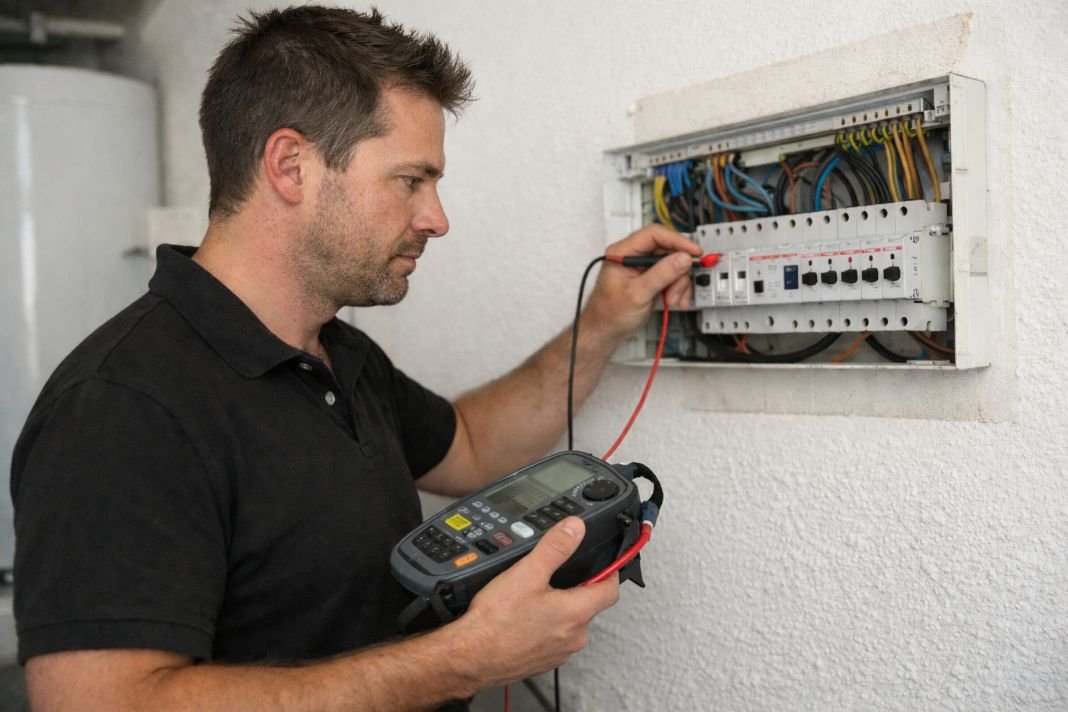
An illustrative image of an eicr inspection taking place
Here's What We Have Covered In This Article
Understanding EICR Remedial Work and Its Certification
EICR remedial work refers to necessary repairs or upgrades identified in an Electrical Installation Condition Report. If the inspection uncovers issues that are classified as unsatisfactory or require urgent attention, landlords must ensure the issues are rectified in line with UK Electrical Safety Standards. Certification after these repairs is not a matter of preference, but a statutory requirement.
Many landlords assume that once remedial repairs are completed, no further documentation is needed. However, post-repair paperwork is important. It is not enough to simply instruct an electrician to resolve listed issues; landlords need formal evidence that the work meets compliance standards.
Common misconceptions include:
- Believing a verbal assurance or invoice is sufficient to close compliance gaps.
- Relying on a signed job sheet rather than a formal certificate.
- Treating remedial paperwork as optional instead of obligatory evidence for local authorities or insurers.
Remedial certificates provide documented proof that the installation is safe for continued use, directly supporting tenant safety and fulfilling legal obligations. Without appropriate certification, landlords’ compliance remains in question.
Pro Tip: Backing up digital certificates in two separate secure locations helps reduce the risk of documentation loss or delays during audits.

An illustrative mage of a landlord getting an EICR certificate
Who Issues the Certificates and What to Check
Only qualified and accredited electricians can issue post-remedial certificates. This means working with professionals registered with organisations such as NIC EIC or TrustMark. Using an unaccredited provider risks invalidating the paperwork, jeopardising compliance.
To verify the paperwork, landlords should:
- Check the engineer’s company or registration details, ensuring they are listed with a recognised accreditation body.
- Confirm the certificate bears the correct property address and accurately describes the work completed.
- Review the date of completion, making sure it aligns with the timing of the repairs.
- Ensure all sections are complete, with no missing signatures or incomplete fields.
For example, if the certificate is missing a registration number or the property address is incorrect, it could fail to satisfy council or insurer requirements. Obtaining certificates from reputable providers such as Landlord Building Certificates supports confidence in compliance.
How Long to Keep EICR Remedial Work Certificates
Landlords should retain EICR remedial work certificates for at least five years, which is the maximum allowed validity period for an EICR in England before renewal is required. Keeping these documents throughout the length of tenancy and for a reasonable period after its end is recommended, especially if properties are subject to licensing or insurance scrutiny.
Scenarios where certificates may be needed include:
- Inspections by local authorities
- Insurance claims or renewals
- Tenant disputes regarding property condition
- When selling or re-letting the property
Digital storage is often the most secure and accessible method. Scanning paper certificates or saving digital versions in a designated property folder reduces the risk of loss. Backing up records on secure cloud storage provides additional protection and easy retrieval if documentation is requested by authorities.
What Happens If You Don’t Have the Right Paperwork
Lacking the correct remedial work certificates can result in significant compliance and legal challenges. For instance, if a landlord cannot produce evidence of remedial repairs, local authorities may issue enforcement notices or fines for ongoing non-compliance. Incomplete records can also lead to invalidated insurance policies if a claim follows an electrical incident.
During property sales or new tenancies, missing paperwork may delay licensing or prevent completion. If a tenant makes a claim relating to electrical safety, the absence of formal certificates could undermine the landlord’s position.
Key risks of missing EICR remedial certificates include:
- Fines or enforcement action from local authorities
- Delayed or refused renewals of licences
- Difficulty in validating insurance claims
- Loss of prospective tenants or income during void periods
The consequences are practical and measurable, which means landlords benefit from maintaining thorough records.
Book an EICR Remedial Visit
Schedule a qualified engineer for fast, compliant remedial works and receive your certificates digitally.
Best Practices for Managing and Storing Your Certificates
Staying organised reduces the risk of compliance breaches and simplifies property management. Consider the following steps as part of a routine document management approach:
- Create digital folders for each property, sub-divided by certificate type and renewal date.
- Store digital copies of all certificates immediately after receipt, and scan any physical paperwork for digital archiving.
- Set calendar reminders for renewal dates based on the certificate issue date.
- Use professional compliance partners able to supply digital documents and reminders as part of their service.
- Regularly back up all certificate files in secure locations, such as cloud storage or encrypted drives.
Adopting these simple practices ensures paperwork is accessible for audits, inspections, or claims. Efficient records management reduces stress and protects landlords from avoidable risks.
Pro Tip: Verifying the electrician’s accreditation with professional bodies before work begins ensures your certificates remain valid for compliance.
How Landlord Building Certificates Supports Ongoing Compliance
Landlord Building Certificates specialises in enabling landlords to meet their regulatory obligations with minimal friction. By consolidating all statutory certification, including EICR remedial work, in a single operational structure, LBC removes many of the common administrative hurdles.
Certificates delivered by LBC are issued promptly, often on the same or next day, and provided in digital formats for easy archiving. Multi-certificate visits enable portfolio landlords and agents to simplify inspections, reduce costs, and keep compliance schedules organised.
Engineers with NIC EIC and TrustMark accreditation guarantee that all paperwork meets regulatory requirements, and digital certificate management helps ensure records are always available when needed.
Landlord Building Certificates is designed to be a dependable partner for landlords. Compliance is treated as a routine and structured process rather than a recurring challenge, giving landlords clarity and confidence in their ongoing legal obligations.