What is the key difference between a Homebuyer Electrical Report and an EICR for UK rental compliance?
A Homebuyer Electrical Report assesses electrical safety during property purchase for peace of mind, while an Electrical Installation Condition Report (EICR) is the only legally valid certificate for letting out a property in the UK. To rent a property legally, landlords must have a current EICR.
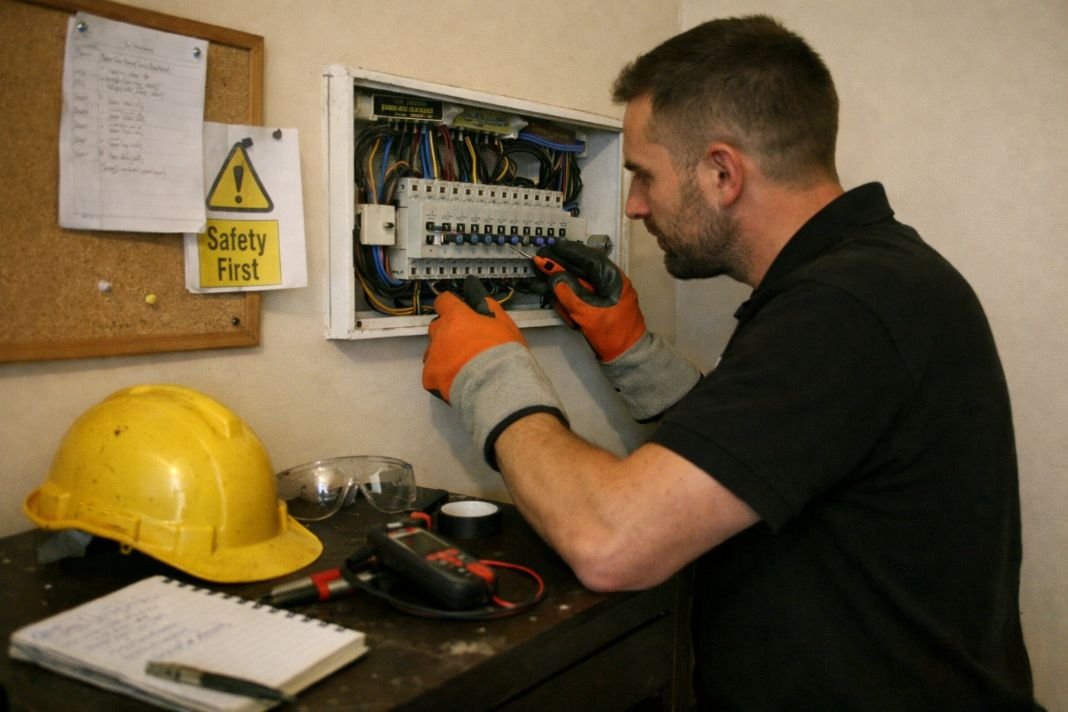
An illustrative image of a electrician inspecting a fuse box in a London flat
Here's What We Have Covered In This Article
Understanding the Two Reports: Homebuyer Electrical Report and EICR
Landlords and property managers often encounter confusion when dealing with electrical safety reports. The distinction between a Homebuyer Electrical Report and an EICR might seem subtle, yet it is highly relevant to avoiding delays and compliance problems.
A Homebuyer Electrical Report provides a visual appraisal of a property’s electrical safety, usually requested by purchasers before committing to buy. Its main purpose is to highlight visible faults or outdated installations that could affect purchase decisions.
By contrast, an EICR is a formal Electrical Installation Condition Report. This document results from a structured inspection by a qualified electrician, testing the safety and compliance of all fixed wiring and installations. The EICR establishes whether a property meets statutory standards for renting or continued occupation.
Typical Use and Differences:
- Homebuyer Electrical Report: For purchasers seeking peace of mind about visible electrical issues during property sales.
- EICR: For landlords and agents needing proof of electrical safety and compliance with UK law during letting.
Understanding which report applies prevents administrative headaches. Renting with the wrong documentation can lead to enforcement action or voided insurance cover.
Pro Tip: Choose an inspection provider who offers bundled services such as gas safety and fire certificates to streamline costs and reduce property access disruptions.
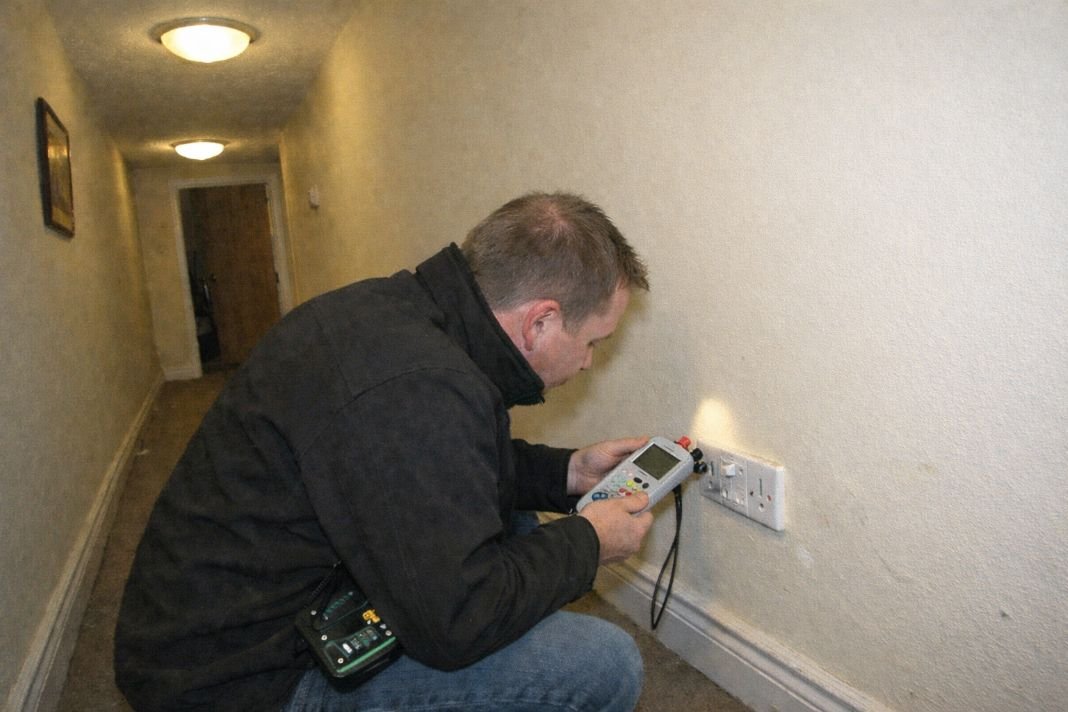
An illustrative image of a hallway with visible light fittings and uk plug sockets being visually inspected
Legal Requirements for Rental Properties: What the Law Demands
UK law is clear and specific regarding electrical safety in rental properties. Landlords must obtain a valid EICR issued by an accredited electrician before letting out a property. The relevant legislation is the Electrical Safety Standards in the Private Rented Sector (England) Regulations 2020.
Key landlord obligations include:
- Securing an EICR before each new tenancy or at least every five years.
- Supplying a copy of the report to tenants and, if requested, to local authorities.
- Completing any remedial actions identified in the EICR within the specified timeframe.
- Keeping reports on file and making them available for future inspections or insurance claims.
A Homebuyer Electrical Report, even if recently completed, does not satisfy rental compliance or replace the legal requirement for an EICR. Using the wrong document risks fines, enforcement notices, and invalid property insurance.
When Each Report Is Used: Scenarios for Homebuyers and Landlords
Property transactions and lettings require different types of inspection and documents. Understanding these scenarios makes it easier to select the right report, saving both time and money.
Typical scenarios:
- Buying a Property: The Homebuyer Electrical Report is requested alongside surveys to check for visible hazards or outdated systems. Mortgage lenders may sometimes suggest this as part of due diligence before purchase.
- Renting or Letting a Property: An EICR is required by law for all tenancies. Local authorities, letting agents, and insurers recognise only the EICR as evidence of electrical safety.
- Renewals or Change of Tenancy: A new EICR may be needed if the previous report is out of date or significant electrical works have been carried out.
Misapplying a Homebuyer Electrical Report instead of an EICR is a common administrative error, especially in managed properties. This often leads to delays in letting and potential enforcement intervention.
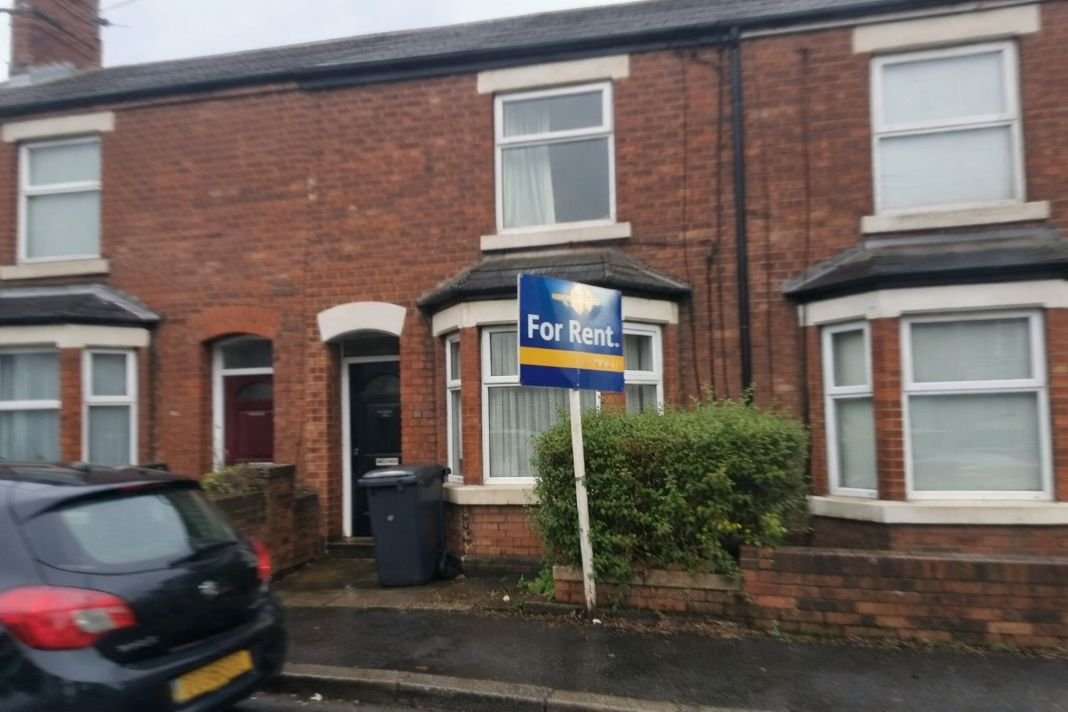
An illustrative image of a terraced rental property on a typical UK street with a for rent sign visible
Book Your EICR Inspection
Arrange a certified EICR for your London rental property with streamlined digital delivery. Ensure simple, compliant certification for your next tenancy. Button text: Book an EICR Now
What’s Actually Inspected: Scope and Depth of Each Report
The inspection scope varies significantly between the two types of reports. Understanding this helps landlords anticipate the process and resulting compliance steps.
Comparison of inspection scope:
- Homebuyer Electrical Report
- Mainly visual checks by a surveyor or electrician.
- Focuses on visible damage, outdated equipment, or basic compliance concerns.
- Does not include in-depth testing or fault detection.
- Not a certificate for legal compliance.
- EICR
- Conducted by an accredited electrician.
- Involves thorough testing of fixed wiring, consumer units, sockets, and lighting circuits.
- Identifies hidden faults and hazards, not just visible issues.
- Documents remedial actions needed for full compliance.
- Generates a certificate accepted by local authorities, insurers, and letting agents.
An EICR gives landlords a clear list of what must be done, if anything, to ensure the property can be let legally and safely.
Pro Tip: Store your EICR certificate digitally and set automated calendar reminders for key renewal dates to avoid accidental lapses in compliance.
Certification, Renewal, and Documentation: Staying Compliant
Compliance requires more than simply arranging a one-off inspection. Staying organised and aware of renewal cycles protects landlords from lapses in legal protection.
Certificate validity and management:
- EICR certificates are valid for up to five years unless specified otherwise by the inspector or prompted by major electrical works.
- Each change of tenancy may require you to check the report’s currency against letting agent or local authority requirements.
- Electronic storage of certificates and reports streamlines compliance, audit requests, and tenant queries.
- Keeping both digital and paper records is recommended, but digital copies offer faster access and easier sharing with agents and authorities.
Simple compliance process:
- Book an EICR with an accredited provider.
- Receive digital and paper certificates.
- Send the certificate to current tenants and, if requested, local authorities.
- Act promptly on any remedial action identified.
- Set reminders for renewal in advance of the expiry date.
Keeping ahead of expiry dates helps avoid costly void periods or enforcement notices.
Choosing the Right Inspection Partner: What to Look For
Selecting a compliance partner can make the process far more manageable and cost-effective. Not all inspection providers deliver the same standards or convenience.
Checklist for choosing an inspection provider:
- Confirm accreditation, and look for NICEIC, TrustMark, or Gas Safe where relevant.
- Favour providers that offer combined services, such as gas and fire certificates, to reduce costs and visit times.
- Check for practical booking arrangements including same-day or next-day slots and digital certificate delivery.
- Prioritise providers with a track record in landlord compliance, not just domestic surveys or repairs.
- Seek clear, fixed pricing with no hidden extras.
Landlord Building Certificates offers a single-point solution for London landlords, with bundled inspection options, rapid turnaround, and operational transparency. Efficient certification management reduces delays and compliance risk.
Key Takeaways: Making the Right Choice for Rental Compliance
Understanding the difference between a Homebuyer Electrical Report and an EICR is fundamental for rental property compliance in England. Only the EICR satisfies legal requirements for letting and ongoing tenancy arrangements.
Summary checklist:
- The Homebuyer Electrical Report is suitable for property purchases but has no legal standing for renting.
- An EICR is mandatory for letting a property in England and must be renewed at least every five years.
- Local authorities and insurers will ask to see the EICR as evidence of compliance.
- Always use accredited inspection providers with experience in landlord certification needs.
- Store certificates digitally and act promptly on expiry reminders or remedial recommendations.
For London landlords, keeping compliance routine and simple often comes down to choosing the right partner. Staying organised and informed ensures uninterrupted lettings and protects tenant safety without unnecessary administration.