What is the difference between a Gas Safe engineer and a CORGI engineer for a London rental property?
A Gas Safe engineer is currently registered to carry out gas work legally in the UK. A CORGI engineer refers to the older registration system that applied before Gas Safe Register replaced it in 2009. For a London rental, the distinction matters because a valid landlord gas safety certificate, often called a CP12 or landlord gas safety record, must be issued by an engineer who is on the Gas Safe Register now.
Here's What We Have Covered In This Article
Why the Terms ‘Gas Safe’ and ‘CORGI’ Still Cause Confusion
A landlord books a gas safety check, the tenant says they want a “CORGI certificate”, and the phrase passes around the property file as if nothing has changed. That mix-up still happens because CORGI was once the name many people associated with legal gas work, and older habits tend to stay in use long after the rules change.
Before 2009, CORGI was the recognised gas registration body. Since 2009, Gas Safe Register has been the official register for gas engineers in the UK under the Gas Safety (Installation and Use) Regulations 1998, with oversight linked to the Health and Safety Executive. The legal system changed, but the everyday language did not change at the same speed.
Older landlords, long-standing tenants, and even some tradespeople still use CORGI as shorthand for “properly registered gas engineer”. Incidentally, that shorthand is no longer accurate in a compliance sense. A person can talk about CORGI because of past experience, but that does not confirm current registration.
A few points sit behind the confusion:
- CORGI had strong public recognition for many years.
- Some paperwork and online discussions still use outdated wording.
- Certain engineers mention past CORGI status as part of their work history.
- Tenants often use the term casually without meaning anything legal by it.
For day-to-day landlord gas safety, the practical issue is simple. Current registration matters, current ID matters, and the current register is Gas Safe.
What Is a Gas Safe Engineer? Current Legal Requirements Explained
A Gas Safe engineer is an engineer who is registered on the Gas Safe Register and qualified to carry out the specific categories of gas work listed on that registration. In rental property terms, that is the status a landlord needs for a gas safety inspection and for issuing a Gas Safety Certificate (CP12), also known as a landlord gas safety record.
Under the Gas Safety (Installation and Use) Regulations 1998, landlords must make sure gas appliances, pipework and flues provided for tenants are maintained safely. They must also arrange an annual gas safety check by a registered gas engineer and keep the record in line with legal duties. Using somebody who is not properly registered can leave the certificate invalid.
Checking credentials does not need to be complicated. A landlord can keep it to a short routine:
- Ask to see the engineer’s Gas Safe ID card.
- Check that the card is current and matches the person attending.
- Confirm that the engineer is qualified for the type of appliance in the property, such as boilers, cookers or fires.
- Verify the registration on the Gas Safe Register if anything looks unclear.
One practical point often gets missed. Registration alone is not the whole picture because gas engineers are listed for categories of work. A person may be registered, yet not qualified for every appliance type in a flat or house.
In London, where managed portfolios and tight renewal schedules are common, organised providers such as Landlord Building Certificates often build this verification into the booking process. Even so, the legal duty stays with the landlord or managing agent, so the final check should never be treated as optional.
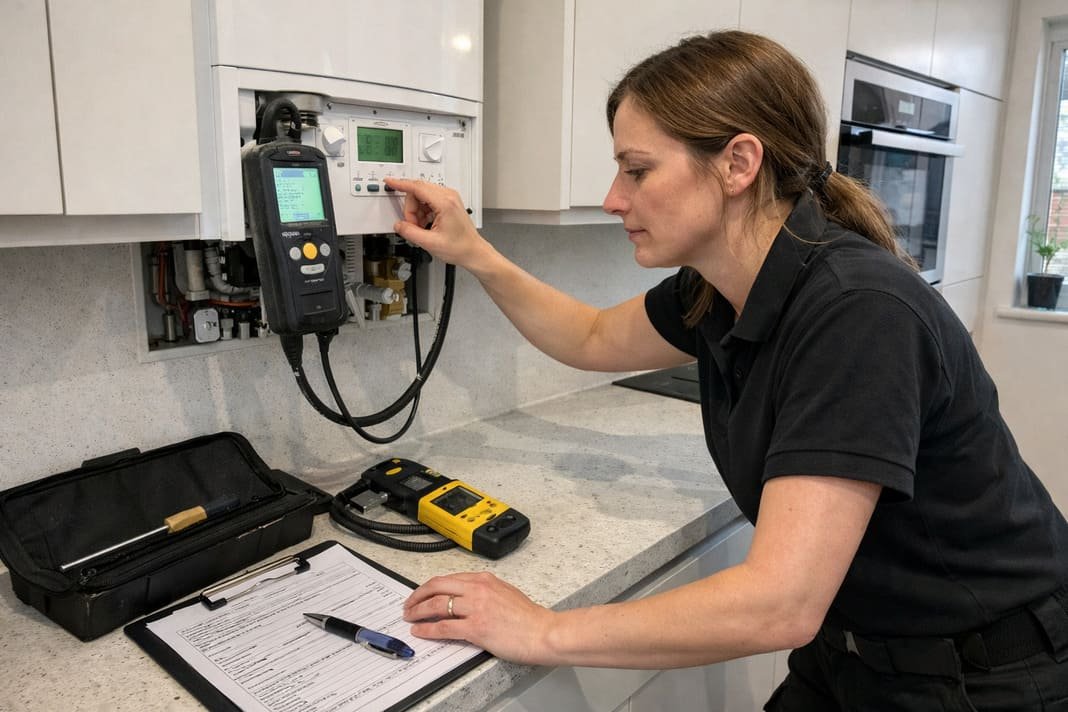
Gas Certificate London boiler inspection and gas safety compliance service for landlords homeowners and rental properties – Illustrative
What Was a CORGI Engineer? Understanding the Legacy
CORGI stands for the Council for Registered Gas Installers. Before 2009, it was the recognised registration scheme for gas engineers in Great Britain, so a “CORGI engineer” once meant a legally registered person for gas work.
That changed in 2009 when Gas Safe Register took over the official role. The shift was a regulatory transition, not a minor rebrand. Since then, CORGI has not been the legal gas registration body for domestic landlord gas safety checks.
Many people still refer to CORGI because the name stayed in public memory. Some engineers also mention former CORGI registration as part of their background, which is understandable from a historical point of view. Even so, past CORGI status does not prove present authority to inspect gas appliances or issue a valid gas safety record.
The contrast is straightforward:
- CORGI was the former registration scheme.
- Gas Safe Register is the current legal register.
- Old CORGI credentials may describe previous status.
- Current gas work requires present Gas Safe registration.
For landlords, the history only matters because old language can lead to new mistakes. If somebody relies on a past badge, an old van logo, or a familiar term without checking current registration, the paperwork for the tenancy can quickly become a problem.
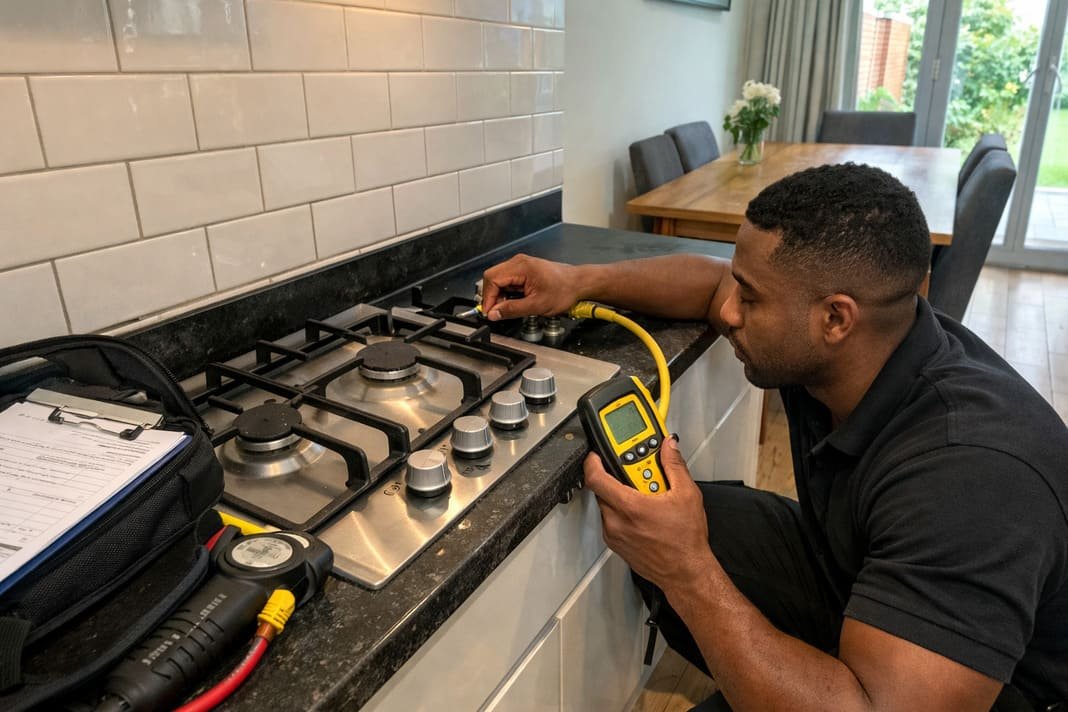
Gas Engineer London performing safety check and gas appliance inspection service for compliance and certification – Illustrative
Does It Matter for Your London Rental? Compliance and Practical Implications
Yes, it matters because the certificate has to stand up as valid evidence of compliance. If an annual inspection for a London rental is carried out by someone who is not currently Gas Safe registered for that work, the landlord gas safety certificate may not satisfy legal or operational requirements.
Across London, that can affect more than one part of property management at once. Letting timelines, licence applications, renewals, insurer requests and tenant safety records often depend on clean, current documentation. A gas record that looks fine on paper but was issued by the wrong person can create avoidable disruption.
Insurance providers may ask for proof that checks were completed correctly. Local councils dealing with property licensing can also look at safety records as part of wider compliance. Where an issue comes to light, the landlord may need a fresh inspection from a properly registered engineer, which means duplicated cost and delay.
Tenant safety sits at the centre of the issue. Gas appliances need competent inspection because faults may involve leaks, poor combustion or carbon monoxide risks. Administrative accuracy and physical safety meet in the same document here, which is why registration is more than a box-ticking exercise.
A common London example is the managed flat where several certificates are due around the same time, including EICR, EPC and gas safety record. In a busy handover between tenancies, outdated wording such as “book a CORGI engineer” can slip into instructions, and that small wording error can point the process in the wrong direction.
Common Misconceptions and How to Avoid Costly Mistakes
Gas safety confusion usually comes from assumptions that sound reasonable at first glance. Once those assumptions enter a renewal cycle, they can lead to invalid records, missed deadlines or weak audit trails.
Here are the most common problems and the practical fix for each one:
- Assuming any qualified engineer can do landlord gas work. A tradesperson may be competent in related work, but landlord gas safety checks need current Gas Safe registration and the right appliance categories on that registration.
- Thinking old CORGI status still counts. Previous CORGI membership is part of industry history, not proof of present legal authority. Always verify current Gas Safe registration.
- Believing the paperwork matters more than the person issuing it. A certificate only carries weight if the engineer was properly registered at the time of inspection. The form itself does not cure a registration problem.
- Forgetting the annual renewal cycle. Landlord gas safety is time-bound. A valid certificate this year does not remove the need to arrange the next inspection on schedule.
- Relying on verbal reassurance. A contractor may sound experienced and genuine, but due diligence still means checking the register and the ID card.
Documentation deserves the same attention as the inspection itself. Keep copies of the landlord gas safety certificate, note the inspection date, and store the engineer’s details in a way that makes the next renewal easy to track.
Property licensing authorities and managing agents often judge compliance by records as much as by intent. Good filing will never replace a lawful inspection, but poor filing can turn a routine renewal into a scramble across email chains and old invoices.
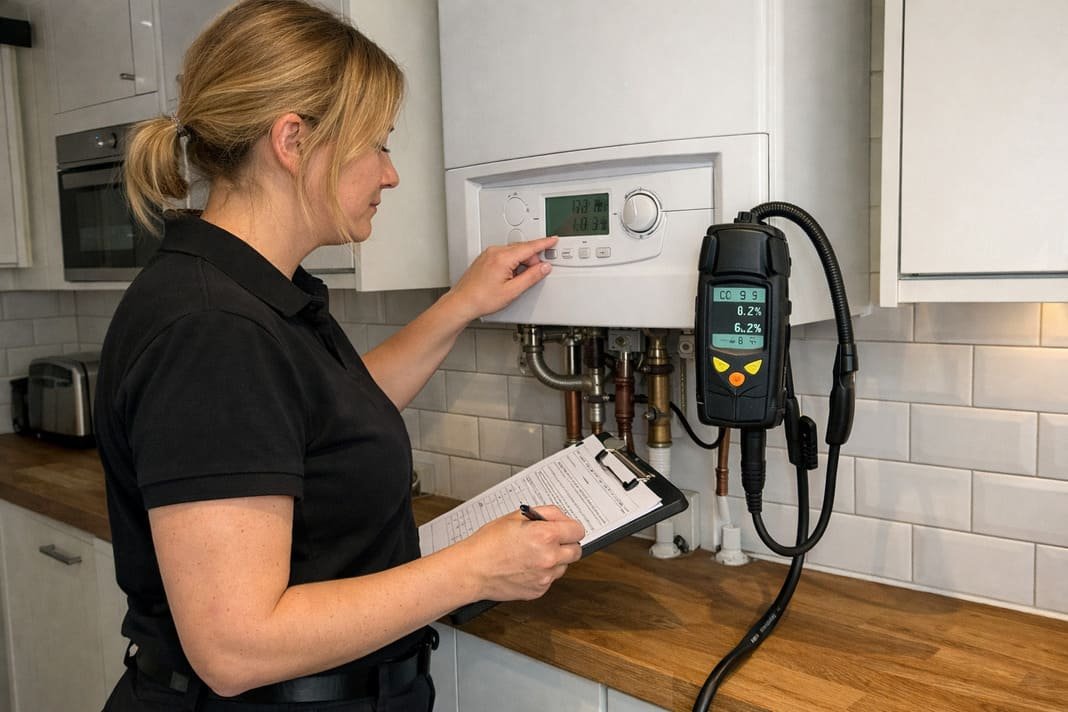
Gas Certificate London combi boiler inspection and gas safety compliance service for landlords homeowners and properties – Illust
Looking Ahead: Keeping Gas Safety Simple and Reliable in Your Rental
Gas safety becomes much easier to manage once the language is clear. CORGI belongs to the old system, Gas Safe belongs to the current one, and landlords only need to follow the current register.
Routine beats last-minute fixes every time. A straightforward process of booking annual checks, verifying the engineer, keeping the gas safety record, and tracking renewal dates removes much of the stress that surrounds compliance.
For London landlords, where property files can involve multiple certificates and short gaps between tenancies, consistency matters. The safest habit is to treat gas checks as part of ordinary property administration, in the same way rent records and deposit paperwork are treated.
Regulations can change over time, and terminology can lag behind them. The practical answer is to rely on current registration, current documents and current inspection dates, because that is what keeps a rental property both lawful and properly managed.