What is a CP42 Gas Safety Certificate and why is it important for restaurants?
A CP42 Commercial Gas Safety Certificate is a legal requirement in the UK for any commercial kitchen using gas appliances. It ensures that your gas equipment, pipework, and ventilation systems meet strict safety standards. Without it, your business faces serious legal consequences, insurance issues, and unsafe working conditions. This guide covers the eight checks your kitchen must pass to remain compliant and secure certification, especially for those in NW, SW, and West London.
Here's What We Have Covered In This Article
Before the Inspection: What to Do the Week Before
Getting organised early helps avoid problems. Here’s how to prepare:
-
Choose quieter times for your inspection to reduce disruption.
-
Train your team so they can locate shut-off valves and gas meters quickly.
-
Clean your extraction hoods and filters thoroughly.
-
Make sure access to shut-offs and meters is clear and unobstructed.
-
Have service records and your previous CP42 documents ready.
These steps form a solid CP42 pre-inspection checklist that helps avoid costly setbacks and supports catering kitchen compliance.

Pro Tip: Always clean your canopy filters at least a week before your CP42 inspection to avoid airflow test failures.
1. Inspecting All Gas Appliances in Use
Every gas appliance in your kitchen must pass a safety check. Working order alone is not enough.
-
Appliances include fryers, grills, hobs, ovens, and combi units.
-
Common problems include ignition faults, gas leaks, and CO emission risks.
-
Engineers check gas flow, ignition, and emissions.
-
Faults that fail include unstable flames or poor installation.
Ask a Gas Safe engineer (COMCAT 1 or 5 qualified) to inspect these beforehand. Spotting faults early helps you stay ready.
2. Ensuring Gas Pipework Is Leak-Free and Secure
Hidden pipework issues are a major reason for inspection failure.
-
Engineers check joints, fittings, and pressure.
-
They use the IGE/UP/1B tightness testing standard.
-
Look for corrosion, rust, and loose fittings.
-
If pipework is boxed in, install inspection panels.
A quick visual inspection can often reveal early signs of damage.
3. Ventilation & Extraction Systems Working at Full Capacity
Your ventilation system clears fumes and excess heat and must be fully operational.
-
Engineers check airflow rates, fan performance, and filter condition.
-
Blocked or greasy filters reduce airflow and are flagged.
-
The system must follow DW/172 ventilation standards.
Make sure fans work, filters are clean, and the system is free from obstructions.
4. Testing the Gas Interlock System for Safety Compliance
The gas interlock system ensures gas shuts off if extraction fails.
-
It connects gas supply to the ventilation system.
-
Engineers simulate fan failure to check if gas stops automatically.
-
Faults include damaged sensors, faulty solenoid valves, or system overrides.
BS6173 sets the required standard. This safety link must always be active and reliable.
Pro Tip: Keep your shut-off valves clearly marked and accessible or you risk automatic failure, no matter how new your appliances are.
Book Your CP42 Inspection Today
Get certified by a qualified Gas Safe engineer with minimal disruption to your kitchen.
5. Checking Chimneys, Flues & Combustion for Safe Output
Flues remove dangerous gases like carbon monoxide. They must work correctly.
-
Engineers check flue flow and carbon monoxide levels.
-
Watch for warning signs like condensation, detector alarms, or weak draft.
-
Inspections follow BS5440-1 and emissions should stay below 20 ppm.
You cannot detect carbon monoxide but your engineer will.
6. Emergency Gas Shut-Offs Must Be Accessible and Functional
Emergency shut-offs must be easy to find and quick to operate.
-
Engineers assess valve access, signage, and function.
-
Never block shut-offs with furniture or storage boxes.
-
Install valves near cooklines or exits.
-
HSE requires clear labelling and access under the Gas Safety (Installation and Use) Regulations.
Ensure your team can act immediately in an emergency.
Stay Ahead With Annual Gas Safety Reminders
Join our free reminder service and never miss your renewal window again.
7. Certification, Renewal Records & Engineer Qualifications
Certification must be issued by a qualified engineer and backed by proper documentation.
-
Certificates expire after 12 months.
-
The engineer must show a valid Gas Safe ID and COMCAT codes: COMCAT 1 for ovens, COMCAT 3 for water heaters, COMCAT 5 for fryers.
-
Keep copies of maintenance logs, reports, and certificates.
-
Use calendar reminders or folders to track renewals.
Without documentation, even a passed inspection may be invalid.
8. Business Continuity Planning in Case of Inspection Failure
If you do not pass the inspection, your business still needs to function.
-
Use electric equipment where gas cannot be used.
-
Book remedial work and reinspection as soon as possible.
-
Let your team know what to expect and inform customers clearly.
-
Budget for emergency repairs and service reduction.
-
Prepare a backup kitchen operations plan.
-
If you fail a CP42 inspection, stay calm, make repairs, and update your records.
Planning in advance reduces panic and helps keep your business running.
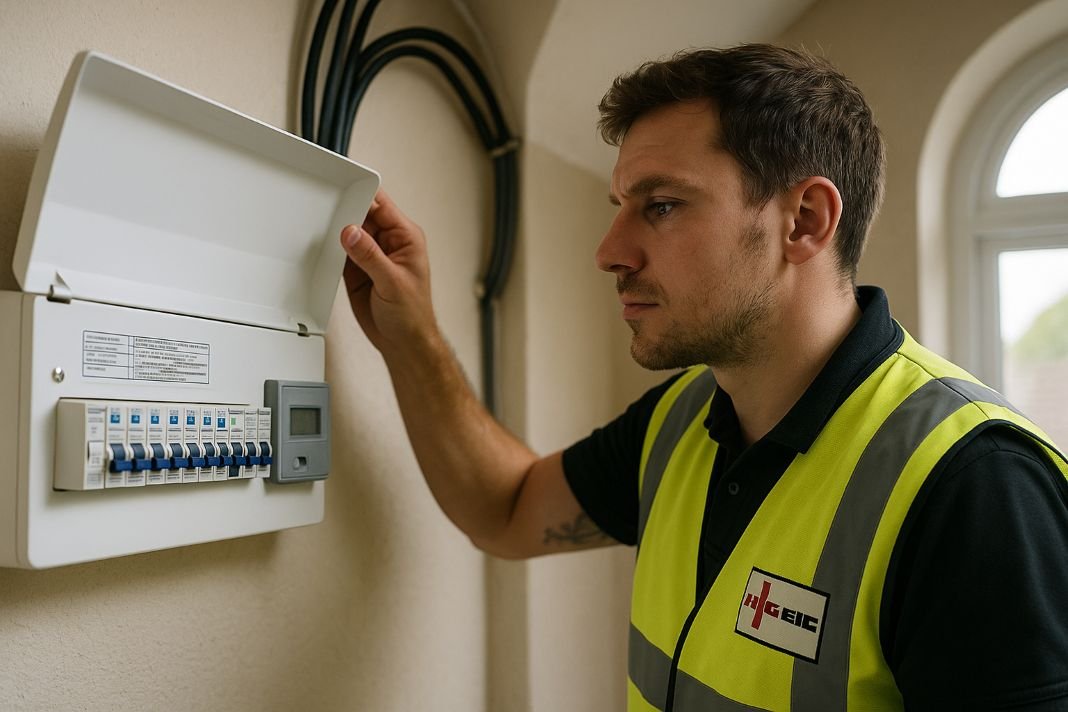
An AI photo of an electricial performing an EICR Test.
Summary Action Plan: What to Do Now
- Book a Gas Safe CP42 inspection.
- Review all eight key areas before the engineer arrives.
- Set calendar reminders for renewal.
- Make sure staff understand gas safety basics.
Need Help? Gas Safety Certification for Restaurants in NW, SW, and West London
As a Gas Safe Company based in North West London, we provide CP42 gas safety checks tailored for busy commercial kitchens. Our qualified engineers work around your hours and complete inspections with minimal disruption. Let us help you stay safe, compliant, and confident on inspection day.