What does main earthing and bonding mean in an EICR, and why do they matter for landlords?
Main earthing and bonding refer to key safety features in a property’s electrical system that protect occupants from electrical faults and ensure compliance with UK regulations. On an EICR, both are assessed as part of the legal obligations landlords must meet to rent or insure a property safely.
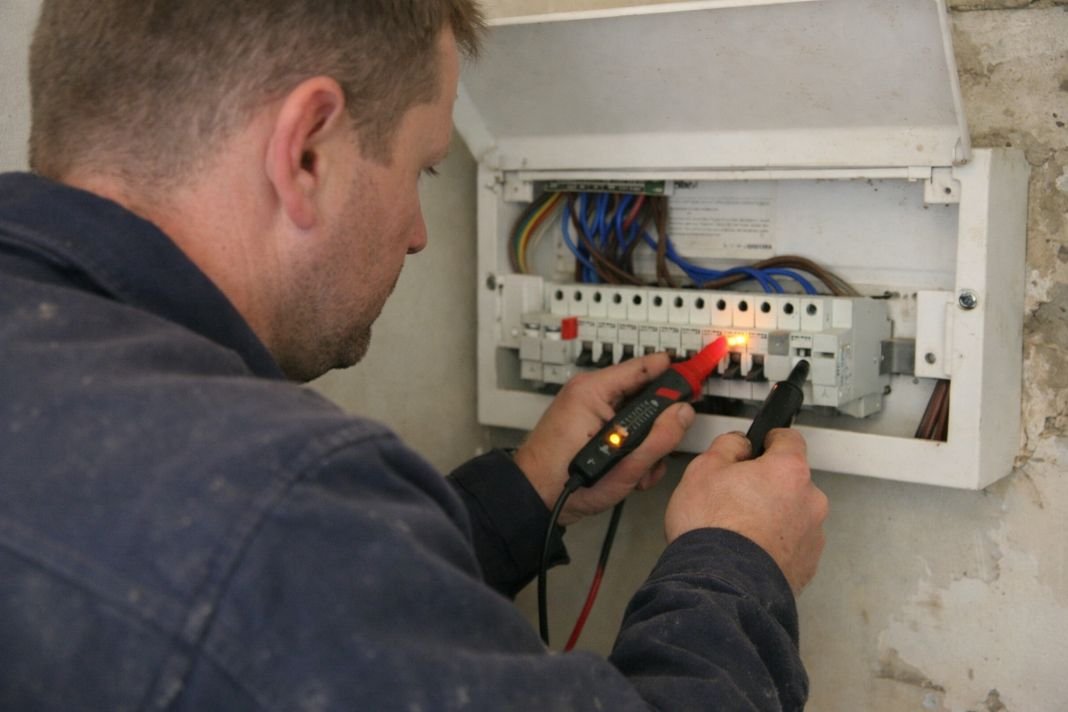
An illustrative image of a domestic electrical consumer unit being checked with a voltage tester
Here's What We Have Covered In This Article
Understanding Main Earthing and Bonding in Rental Properties
Main earthing and bonding are important elements of a compliant electrical installation in UK rental properties. Landlords often hear these terms when preparing for their Electrical Installation Condition Report (EICR), but the difference between them is not always clear.
A simple comparison helps:
- Earthing: Connects electrical systems in a property directly to the ground. This provides a safe pathway for fault current, protecting people from electric shocks if a fault develops.
- Bonding: Links metal objects and pipework (such as water or gas pipes) to the earth connection. This step equalises potential differences, reducing the risk of electric shock if faults occur.
Many landlords believe these are the same or assume an older property is automatically compliant, but this is often not the case. Main earthing and bonding serve distinct roles. Both are checked during an EICR, with accredited inspectors referencing standards set out in the IET Wiring Regulations (BS 7671).
During an EICR, the inspector verifies the presence, continuity, and suitability of the main earthing and bonding. In older homes, changes to wiring or historic repairs can create non-compliance, which means that even previously passed installations may now fail.
Understanding these basics provides landlords and agents with practical confidence. Main earthing and bonding are not just box-ticking exercises; they directly support tenant safety and legal compliance.
Pro Tip: After any property renovation or installation, always request written confirmation that main earthing and bonding have been checked.
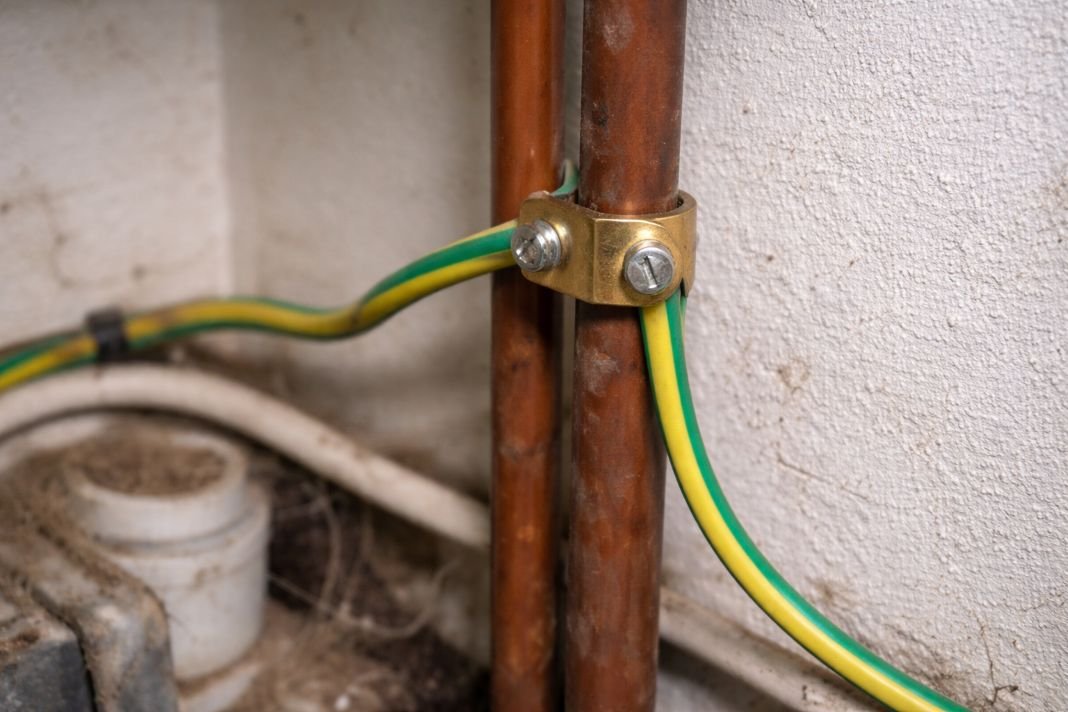
An illustrative image of exposed grounding wire and earthing clamp attached to a copper pipe
Why Main Earthing and Bonding Are Critical for EICR Compliance
UK law requires landlords to ensure that every rental property’s electrical system is safe. This legal framework puts main earthing and bonding at the forefront of EICR compliance.
Without adequate earthing and bonding, a property cannot obtain a satisfactory EICR. Failing these checks may result in the following consequences:
- Local authorities may issue enforcement notices.
- Insurance may be voided due to non-compliance.
- Letting, renewal, or licensing can be blocked until issues are resolved.
- Landlords can face fines for breaches of electrical safety regulations.
Main earthing and bonding failures feature in EICR reports as C1 (danger present) or C2 (potential danger) defects. Either will cause an unsatisfactory outcome, preventing landlords from legally letting the property until corrected.
The legal and financial implications are significant. Ensuring that earthing and bonding are correct and up to date protects tenants but also secures a landlord’s ability to rent out and insure the property.
Main compliance points for landlords:
- Always obtain a valid EICR before a new tenancy or renewal.
- Address any C1 or C2 defects immediately, especially those relating to earthing/bonding.
- Retain certificates and related remedial documentation for your records and any regulatory checks.
By maintaining these standards, landlords protect both their tenants and their lettings business.
Common Reasons Main Earthing and Bonding Fail on an EICR
Even well-maintained London properties can fail the earthing and bonding sections of an EICR, often for reasons outside a landlord’s control. Typical failure points include:
- Aging infrastructure: Older properties may lack modern earthing arrangements. Past installations might not meet current BS 7671 requirements.
- DIY alterations: Unauthorised changes to electrics, such as installing a new boiler or kitchen without checking bonding, often leave systems non-compliant.
- Corrosion or wear: Over time, joints, clamps, or cables might corrode or be damaged, breaking important continuity.
- Inadequate upgrades: Refurbishments may overlook electrical bonding, particularly when updating kitchens or bathrooms.
- Shared or split systems: In converted flats or multi-unit buildings, main earth or bonding may be missing, incomplete, or incorrectly shared between units.
Regular professional checks help identify these issues before they become enforcement risks or hazards. Staying alert to potential problems, especially after upgrades or renovations, supports ongoing compliance.
Book an Accredited EICR Inspection
Arrange your Electrical Installation Condition Report with certified professionals for complete peace of mind.
How Main Earthing and Bonding Issues Are Fixed After an EICR
When main earthing or bonding issues are flagged on an EICR, landlords must act promptly to restore compliance. The process is straightforward and can often be completed efficiently by accredited professionals.
Typical remedial process:
- Assessment and explanation: The engineer discusses the specific defect, referencing the EICR report and offering a clear plan of action.
- Remedial work: Accredited electricians, such as those from Landlord Building Certificates, carry out repairs or upgrades. This may involve upgrading earth conductors, reinstalling bonds, or improving earth connections to current standards.
- Re-inspection and testing: Once work is finished, the system is retested to confirm that earthing and bonding now meet BS 7671 requirements.
- Certification: A digital certificate confirming remedial completion is issued for landlord records and regulatory evidence.
- Renewal of EICR: If repairs resolve all non-compliances, a new satisfactory EICR can be provided, allowing the property to be rented or insured as required.
Landlord Building Certificates helps landlords minimise disruption through bundled repairs and streamlined booking. Consolidated visits and transparent pricing bring both time and cost efficiencies, particularly if multiple certificates or inspections are needed.
Pro Tip: Store digital copies of all electrical safety certificates in a secure, easily accessible location for future audits.
Preventing Main Earthing and Bonding Failures: Practical Tips for Landlords
Staying ahead of compliance improves safety and prevents costly delays or enforcement action. Practical steps include:
- Schedule regular EICRs: Arrange inspections at least every five years or at each tenancy change, as required by legislation. Timely EICRs help spot emerging issues before they escalate.
- Use accredited professionals: Always engage NIC EIC or TrustMark engineers with appropriate qualifications. This ensures work meets current standards and is properly documented.
- Maintain accurate records: Store all certificates, remedial notices, and inspection dates securely. Digital copies make renewal cycles and regulatory checks simpler.
- Bundle compliance services: Combine EICR, gas safety, and fire alarm checks into a single visit to reduce cost and avoid missed deadlines.
- Upgrade proactively in older properties: If your rental has not been rewired or checked in recent years, invest in a precautionary assessment before problems occur.
A routine, structured approach to inspections and record-keeping gives landlords confidence, keeps properties safe, and protects rental income from unnecessary risk. Proactivity remains the simplest way to keep main earthing and bonding compliant with changing UK regulations.