Should landlords update an EPC now, or is it better to wait for the new system?
In most cases, landlords should base the decision on the certificate they hold now, its expiry date, and any planned letting, sale, or refinance. Current EPC rules still apply, and proposed reforms have not replaced the existing legal framework. If an Energy Performance Certificate (EPC) is close to expiry or a property transaction is coming up, updating now is often the safer operational choice.
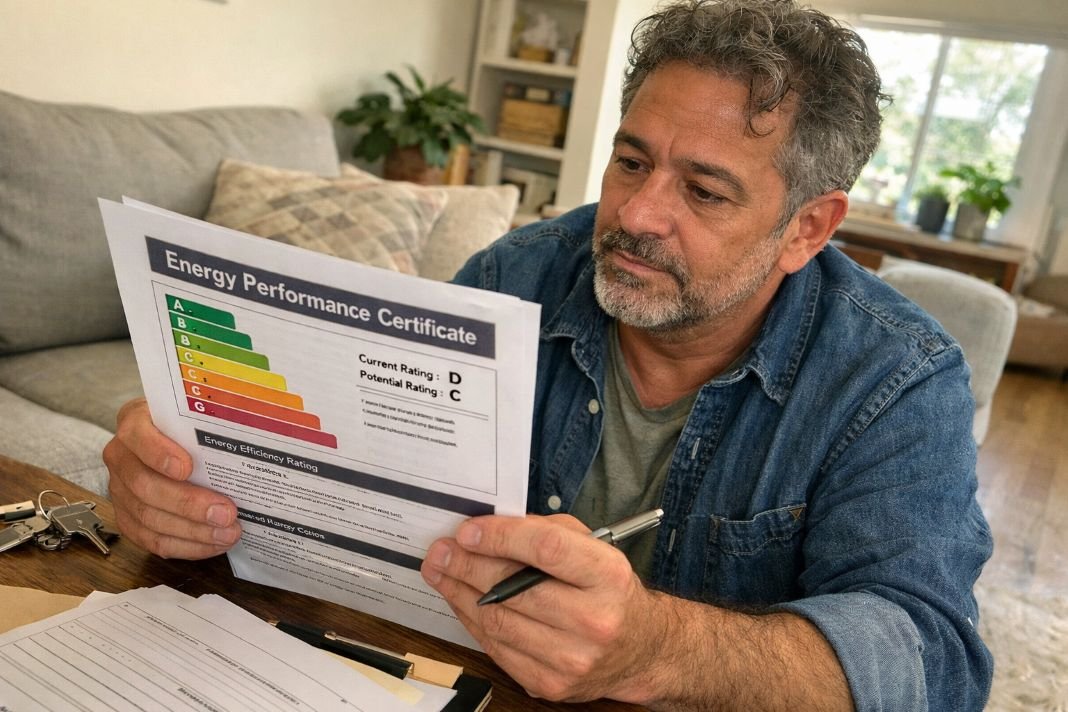
An illustrative image of a landlord reviewing property documents
Here's What We Have Covered In This Article
Understanding the current EPC system and its role in compliance
An Energy Performance Certificate (EPC) gives a property an energy rating and sets out recommendations for improving efficiency. The assessment looks at factors such as insulation, heating, glazing, lighting, and the overall energy use of the building. For landlords, the EPC is not just an energy document. It is also part of the wider compliance record for a rental property.
Under the Energy Efficiency (Private Rented Property) (England and Wales) Regulations 2015, landlords in England need to pay attention to the minimum energy efficiency rules that apply to privately rented homes. An EPC is also required in many routine situations, including marketing a property for let or sale.
Key points to keep in mind include:
- An EPC is generally valid for 10 years, unless a newer one is produced.
- A valid energy certificate is usually needed when a property is built, sold, or let.
- Minimum Energy Efficiency Standards can affect whether a property can be legally let.
- Local authorities can enforce breaches of the regulations.
- An expired EPC does not usually renew itself or gain an automatic extension.
Confusion often arises because landlords may already have gas and electrical paperwork in order and assume the energy certificate follows the same timetable or enforcement pattern. It does not. A Gas Safety Certificate (CP12) and an Electrical Installation Condition Report (EICR) sit alongside the EPC in a compliance file, but each has its own rules, triggers, and renewal cycle.
That distinction matters once talk of EPC reform enters the picture.

An illustrative image of landlords attending an information seminar in a community hall
What is changing? The proposed new EPC rating system explained
Government discussion around EPC reform has focused on whether the current rating method still gives the clearest picture of a building’s performance. The UK Government and the Department for Levelling Up, Housing and Communities have previously consulted on changes, including how homes are assessed and how ratings are presented.
What appears to be under review
One area of attention is the rating methodology itself. The current system has long been familiar to landlords and agents, but proposals have suggested a broader approach that could place more weight on matters such as fabric efficiency, heating systems, smart readiness, and carbon impact.
Another issue is how future EPC rules may connect with Minimum Energy Efficiency Standards. If the basis of the rating changes, the practical meaning of a given score could change too. That has obvious implications for landlords planning improvement works.
What is still uncertain
No landlord should assume that every proposed EPC change will become law in its original form. Consultation documents, draft legislation, and policy statements do not always lead to immediate implementation. Timelines can shift, and details can be revised before any formal rollout.
A sensible reading of the position today is straightforward. Current EPC rules remain the live rules. Proposed reforms are worth monitoring, but they do not cancel present obligations or create a pause in enforcement.
Should you renew your EPC now? Weighing the operational pros and cons
The choice usually comes down to timing, risk, and what you need the certificate for in the next few months. A landlord with a valid EPC that still has years left and no planned transaction may view waiting as reasonable. A landlord with an expiring certificate and a new tenancy approaching faces a very different calculation.
Reasons to renew now
Renewing now can reduce friction if you are about to let, sell, refinance, or deal with a licensing application. Letting agents, insurers, and mortgage lenders may ask for up to date documentation, and delays often happen when one missing certificate holds up the rest of the file.
Early renewal may also make sense if improvement works have already been completed. A newer property energy assessment could reflect insulation upgrades, a heating replacement, or other efficiency measures that were not captured in the old report.
Reasons some landlords choose to wait
Waiting may be reasonable if the current EPC is still valid, there is no immediate transaction, and you expect to carry out further works before paying for a fresh assessment. In that case, a later certificate might reflect the finished state of the property more accurately.
Cost also enters the picture. If you update now and a future change later alters the rating framework, some landlords may feel they paid for a certificate that became dated sooner than expected. That concern is understandable, although it has to be weighed against current compliance duties rather than future headlines.
Landlords using providers such as Landlord Building Certificates often deal with this by lining up EPC renewal with other due dates so the inspection visit fits into a wider compliance schedule instead of becoming a separate job.
An illustrative image of landlords attending an information seminar in a community hall
What happens if you wait? Risks, uncertainties, and practical implications
Waiting is not automatically wrong, but it does carry practical risks. The biggest problem is assuming that proposed reform creates breathing space under the present system. It does not.
Three common situations show where delay can create trouble:
- A landlord markets a property with an EPC that has expired, then finds the letting process slowed while a new certificate is arranged.
- An insurer or mortgage provider asks for current documentation during a review, and the missing energy certificate creates an avoidable admin problem.
- A local authority looks at a property with a poor rating and asks for evidence of compliance under the existing regulations, including any relevant exemption or updated paperwork.
Some landlords also assume there is a grace period once an EPC has run out. That belief can lead to a compliance gap, especially where a tenancy change, sale, or enforcement query brings the paperwork under closer scrutiny. An expired certificate can also complicate a sale pack or slow discussions with buyers who want clarity on the property’s energy rating.
Uncertainty about the future system adds another layer. If you wait solely because you expect the new EPC standards to arrive soon, you are basing a current compliance decision on a timetable that may still move. Administrative delay is one of the most common and least glamorous causes of property friction, and it often starts with one document being left too late.
Book an Accredited EPC Assessment
How to prepare for either scenario: practical steps for landlords and agents
A calm, organised approach works better than reacting to each new policy update. Whether you renew now or later, good record keeping and sensible scheduling will keep the decision proportionate.
- Check the expiry date of the current EPC and note any planned tenancy, sale, refinance, or licence renewal that may require a valid certificate.
- Keep digital records of the EPC alongside the EICR, gas safety record, and any fire or emergency lighting documents used for the property.
- If improvement works are planned, decide whether the certificate should be updated before or after those works so the rating reflects the condition you want recorded.
- Group inspections where possible to reduce repeated access arrangements and admin time.
- Use accredited assessors and inspection providers so the paperwork is clear, traceable, and issued in the proper format.
- Monitor formal government updates instead of relying on headlines or second hand summaries.
Accreditation matters here because it speaks to legitimacy and record quality. Depending on the service involved, landlords may look for Approved Energy Assessor status, NICEIC approval, Gas Safe registration, or TrustMark backing. Those labels do not replace your own record management, but they do support confidence in the inspection trail.
For landlords with multiple properties, a simple compliance calendar can be more useful than any complicated software. One page showing expiry dates, booking windows, and improvement works often brings more order than a scattered set of emails.
Looking ahead: what landlords should expect and common misconceptions
The broad direction of travel points to continued attention on property energy performance, but that does not mean every rumoured change is close or settled. Future EPC rules may alter the way homes are rated, yet present obligations still sit with the current system.
A few misconceptions are worth clearing up. An existing EPC does not become future-proof just because it was valid when issued. A current certificate also does not excuse a landlord from checking whether the property meets the rules that apply at the time of letting. Equally, reform does not mean every landlord needs to rush into a fresh assessment immediately.
Landlord Building Certificates operates in a market where this kind of routine compliance work is often easiest when handled as part of a wider document cycle, and that reflects a useful general principle. Order usually beats urgency.
The sensible approach is to treat EPC reform as something to watch, not something to guess. Keep the certificate status under review, pay attention to real regulatory updates from government and industry bodies, and make decisions based on the property’s next operational need. That keeps landlord energy compliance practical, current, and far less vulnerable to noise.

An illustrative image of two accredited assessors in smart casual wear discussing inspection notes