Do landlords need a gas safety certificate if a property only has a gas cooker or hob?
Yes, landlords must obtain a gas safety certificate even if the only gas appliance in the property is a cooker or hob. The law requires every let property with any gas appliance, including a single cooker or hob, to have an annual safety check by a Gas Safe registered engineer, with certification provided as evidence.
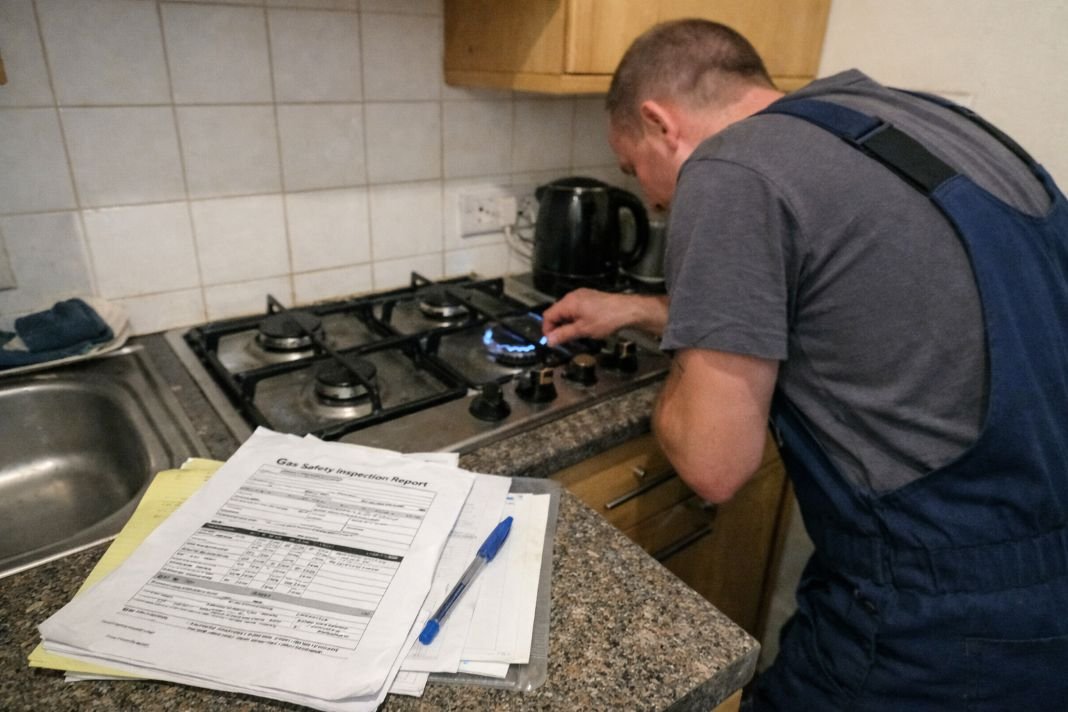
An illustrative image of a small kitchen in a rental flat with a gas hob being inspected by a technician
Here's What We Have Covered In This Article
Understanding Gas Safety Certificates for Cookers and Hobs
A common scenario involves a landlord managing a flat with no gas boiler or gas fire, just a gas cooker or hob. Does the requirement for a gas safety certificate still apply in this case?
The answer centres on the Gas Safety (Installation and Use) Regulations 1998. These regulations make it clear that any let property with a gas installation, including only a cooker or hob, falls under the legal requirement for an annual gas safety inspection. Some landlords may believe that, without a boiler, the certificate is not needed, but this is a misconception.
- A full gas safety check covers all gas appliances and pipework, while an appliance-specific inspection only covers the cooker or hob.
- Appliance-only checks are valid where the cooker or hob is the sole fixed gas appliance.
- The main aim is tenant safety and legal compliance, regardless of the number or type of appliances present.
In summary, the presence of even one gas cooker or hob means a landlord must arrange and document an annual safety check.
Pro Tip: When selecting a provider, always verify their Gas Safe registration on the official register for extra assurance.
Do Landlords Need a Gas Safety Certificate for a Cooker or Hob Only?
Landlords are legally required to obtain a gas safety certificate for any let property with a gas appliance, including just a cooker or hob. The regulations do not provide exemptions for properties with minimal gas installations. Under the Gas Safety (Installation and Use) Regulations 1998, the responsibility is clear.
Enforcement can come from local authorities and insurance providers, both of whom may require sight of a valid gas safety certificate. Failing to obtain the correct certification risks fines, enforcement notices, or insurance issues.
Key points for landlords to remember:
- A gas safety certificate is needed if a gas cooker or hob is present, even if these are the only gas appliances.
- Restrictions or clarifications exist for portable gas cookers, which may not always fall within the definition of a fixed installation. Always check with your provider if in doubt.
Risks of non-compliance include:
- Unlimited fines and possible enforcement action from local authorities.
- Insurance becoming invalid in the event of a claim.
- Void periods where properties cannot be let until compliance is restored.
- Civil liability if a tenant suffers injury due to a gas appliance fault.
Clear documentation of compliance is the landlord’s legal safeguard.
What Gets Checked During a Cooker or Hob Gas Safety Inspection?
When an engineer visits to inspect just a gas cooker or hob, the process focuses on safety and compliance points specific to the appliance. The inspection is efficient but thorough.
Typical steps in a cooker or hob inspection:
- Visual assessment: The engineer examines the appliance’s general condition, checking for signs of damage, corrosion, or unsafe positioning.
- Gas tightness test: All accessible pipework and connections are checked for leaks using industry-standard methods.
- Flame supervision: The engineer confirms that safety devices such as flame failure devices (where present) operate correctly and that the flames are stable and correctly coloured.
- Ventilation check: Adequate and unobstructed ventilation is confirmed around the appliance.
- Operating pressure and gas rate: Appliance performance is checked against manufacturer standards for safe operation.
- Test of safety devices: Any safety cut-off or interlock devices are examined and verified.
- Combustion and spill testing: The engineer ensures proper combustion and that products of combustion are safely dispersed.
After the inspection, the engineer records the following information on the certificate:
- Appliance location and type.
- Results of safety checks for each point.
- Any remedial actions recommended or required.
- Confirmation of engineer’s Gas Safe registration details and signature.
- Date of inspection and date when the next inspection is due.
A clear, itemised certificate provides the legal documentation required for letting purposes.
Get Expert Compliance Advice
Speak with experienced advisers to ensure your rental property meets all gas safety regulations.
Renewal Cycles, Documentation, and Record-Keeping
Certificates for gas cooker or hob inspections expire after twelve months. Renewals must take place before the current certificate lapses. Letting a property without an in-date certificate places the landlord at risk of enforcement or insurance complications.
Typical renewal process for landlords:
- Book an inspection with a Gas Safe registered provider before the current certificate expires.
- Receive the updated certificate, digital or paper.
- Send a copy to any letting agents and issue to tenants promptly.
- Store certificates securely, whether digitally or physically, for at least two years.
Best practices for documentation:
- Use digital certificates for easier storage, retrieval, and sharing.
- Set calendar reminders or choose a provider that offers automated renewal notifications.
- Always keep back-up copies and make sure all parties involved receive up-to-date certificates as required by law.
Losing track of renewal dates or documentation can result in compliance gaps, so landlords are encouraged to use strong record-keeping systems.
Pro Tip: Set automated reminders for your next gas safety certificate renewal to avoid accidental non-compliance.
Choosing a Gas Safety Inspection Provider: What Matters for Landlords
Selecting a reputable provider is important for both legal compliance and operational ease. Not all providers offer the same standards, and a poor choice can create unnecessary risk.
Key factors for evaluating gas safety inspection providers:
- Gas Safe registration: Confirm the provider and all engineers are actively listed on the Gas Safe Register.
- Relevant accreditations: Look for TrustMark endorsement and NIC EIC approval.
- Transparent pricing: Opt for fixed rates and clear quotes to avoid hidden costs.
- Efficiency: Check for fast certificate turnaround, flexible booking, and options for bundled inspections where relevant.
- Track record: Choose firms that specialise in landlord compliance and have a verifiable history of servicing let properties.
By contrast, using non-accredited or unverified engineers may result in invalid certification, exposing landlords to enforcement or insurance problems.
Ultimately, reliable providers such as Landlord Building Certificates stand out by combining these elements into a consistent, efficient service that meets landlord needs without unnecessary challenge.
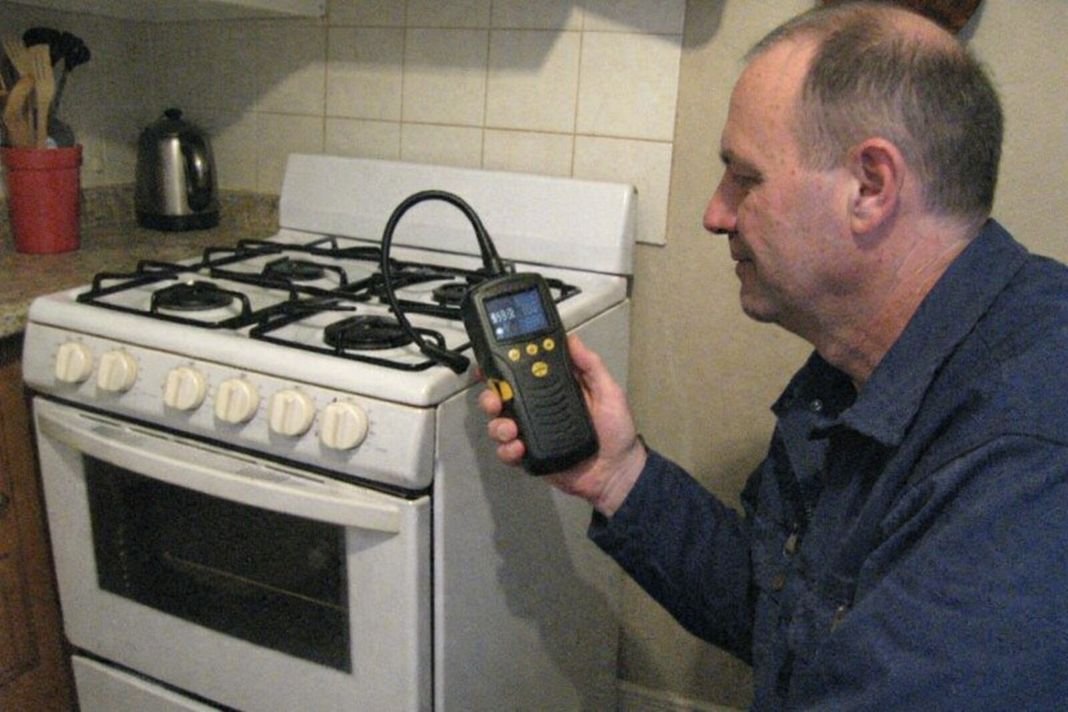
An illustrative image of a gas engineer with a handheld gas detector beside a standalone gas cooker
Consequences of Non-Compliance and How to Avoid Them
Failing to obtain or renew a gas safety certificate for a cooker or hob carries practical and legal consequences. The risks are well established.
Consequences:
- Enforcement notices and legal fines from local authorities.
- Invalidation of property insurance, resulting in financial loss if an accident occurs.
- Extended void periods where letting or renewing tenancies is legally barred.
- Civil liability to tenants if harm arises from an unchecked gas appliance.
How to avoid issues:
- Book annual inspections on time, with calendar reminders or provider notifications.
- Keep thorough records, both digital and physical, of all certificates issued.
- Use trusted, accredited engineers to ensure legitimate certification.
- Bundle appointments where possible to simplify visits for landlords with multiple obligations.
A proactive, routine approach transforms compliance into a manageable part of property letting, mitigating risk and saving effort long-term.
Book Your Gas Safety Inspection
Arrange your mandatory gas appliance inspection with qualified professionals for peace of mind.
Frequently Asked Questions: Gas Safety for Cookers and Hobs
Do I need a gas safety certificate if my rental property only has a gas hob or cooker, but no other gas appliances? Yes, the law requires a gas safety certificate for any fixed gas appliance in a let property, even if this is just a cooker or hob.
Are portable gas cookers included in the landlord certification requirements? Portable cookers may fall outside the strict definition of a gas installation. If in doubt, consult a Gas Safe registered engineer to assess your exact situation.
Can my tenant organise their own gas safety check? No, the legal responsibility lies with the landlord. Tenants must be given a copy of the certificate, but checks must be arranged and documented by the landlord.
What should I do if I have lost my last gas safety certificate? Contact your inspection provider for a replacement. Maintaining digital or physical copies is recommended to avoid lapses or disputes.
What happens if I miss the renewal date for my cooker or hob gas safety certificate? Letting without a valid certificate is a breach of legal obligations. Arrange a new inspection as soon as possible and do not let or renew tenancies until compliant.
With straightforward steps and careful provider choice, landlords can meet gas safety duties efficiently, protecting both their tenants and their property interests.