What details are required to receive an instant landlord certificate quote in London?
To get an accurate and immediate quote for landlord safety certificates in London, you need to provide the property address, certificate types needed, access availability, property size, appliance count, certificate history, and valid contact details. These factors affect inspection scope, scheduling, and final pricing.
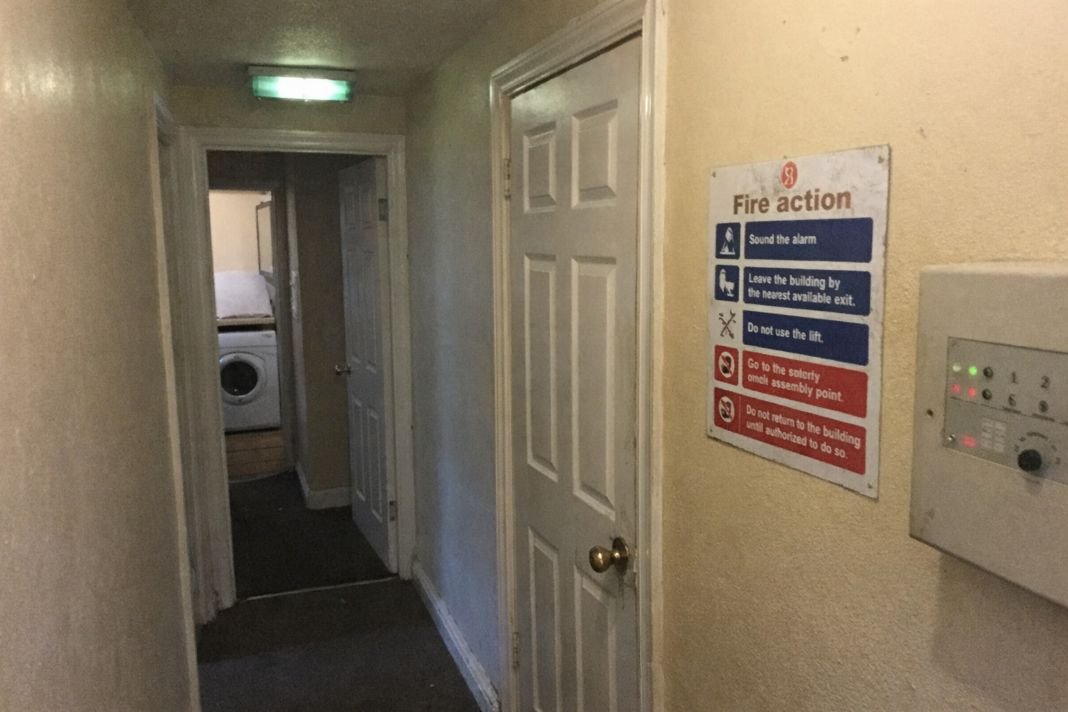
An illustrative image of a modest London HMO property hallway with fire safety sign and emergency lighting panel partly visible
Here's What We Have Covered In This Article
Property Address and Type
Providing the full address is the first and most important step. Every London postcode ties into specific travel zones, borough requirements, and engineer coverage, which all impact scheduling feasibility and cost.
Equally important is the classification of the property. Residential and commercial units are subject to different regulations and inspection protocols. The following gives a clearer idea of what engineers and booking teams need:
- A single-let flat or house will require inspections specific to its size and layout.
- An HMO property may involve additional considerations, such as separate emergency lighting or fire alarm requirements.
- Commercial premises could need more specialist checks, depending on the use class and number of employees.
- Mixed-use buildings, such as a ground-floor shop with flats above, often require a clearer outline of unit separation and access points.
Misclassifying a property can lead to underquoting or booking delays. For multi-unit blocks, be ready to confirm whether inspections are for one unit or the whole building.
Pro Tip: Keeping a record of previous certificates helps align renewals and reduces repeat visits.
Required Certificate Types
Selecting the right certificates is important for quote accuracy. Not all properties require the same documentation, and requesting unnecessary services may inflate costs.
Common certificate types include:
- Electrical Installation Condition Report (EICR)
- Gas Safety Certificate (CP12)
- Energy Performance Certificate (EPC)
- Fire Alarm Certificate
- Emergency Lighting Certificate
- Portable Appliance Testing (PAT)
Typically, landlords require a combination such as EICR, gas check, and EPC. For HMO registrations and commercial leases, fire and lighting certificates are often legally mandatory.
By confirming exactly which certifications are required, you avoid over-ordering while ensuring nothing is missed. Multi-certificate visits usually reduce overall cost due to shared visit logistics.
Access Availability and Booking Preferences
Timely access arrangements mean faster inspections and better quote accuracy. Whether the property is vacant or tenanted makes a significant difference.
Vacant properties allow more flexible scheduling, but tenanted units often require notice and coordination. You should clarify:
- Who holds keys: landlord, agent, or tenant
- Whether access windows are limited (e.g. evenings only)
- If tenants or site managers will be present during the inspection
- Preferred inspection timeframes or urgency levels (such as same-day or next-day)
Letting agents can often simplify the process if granted permission to coordinate access on the landlord’s behalf. Delays in confirming access are a common source of quote invalidation and appointment rescheduling.
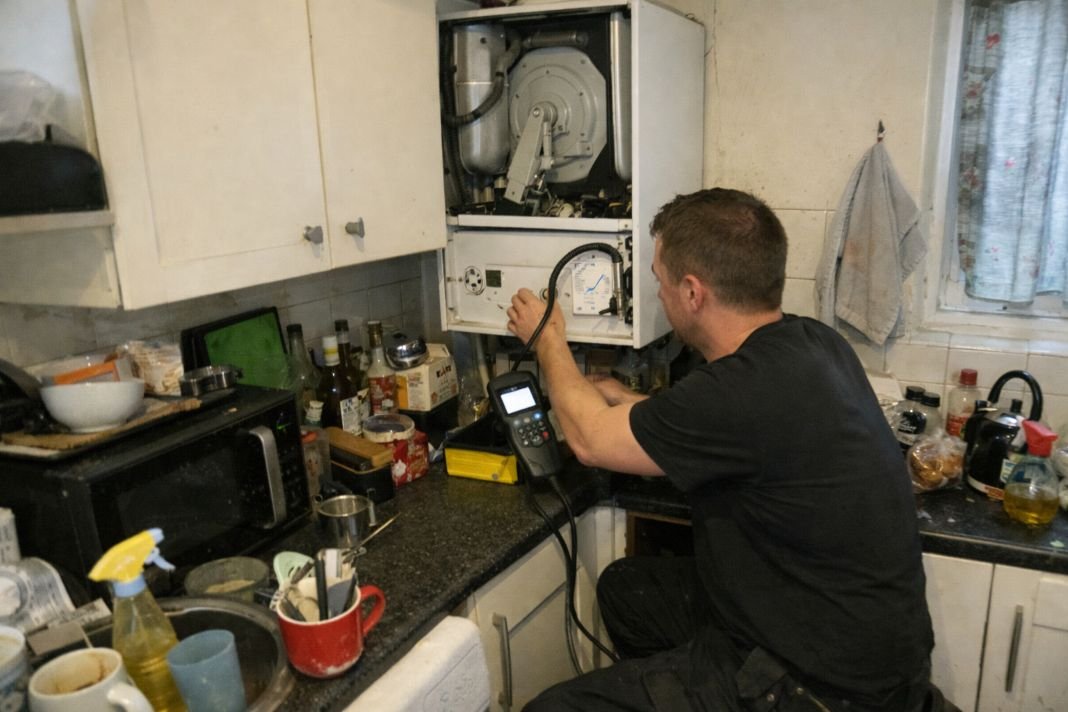
An illustrative image of a gas engineer testing a boiler in a cluttered London flat kitchen
Book Your Inspection Online
Start your compliance process quickly by booking your landlord safety inspections online at your convenience.
Property Size and Configuration
The physical layout and number of rooms affect the duration and challenge of an inspection.
A studio flat with one consumer unit and no gas will require less time and fewer checks than a five-bedroom house with multiple bathrooms, boilers, and outbuildings. You should be ready to confirm:
- Number of bedrooms and bathrooms
- Floor count (including basements or lofts)
- Whether the property is split into multiple dwellings
- If communal areas or shared systems are present
- Any additional structures such as garages, annexes, or separate meters
Inspection reports often reference room count and system locations, so precision here leads to smoother booking and better pricing alignment.
Pro Tip: Always confirm who will provide access before requesting a quote to avoid unnecessary delays.
Number and Type of Appliances
For gas and electrical testing, the number and type of appliances influence both quote and inspector time onsite.
Typical gas appliances include:
- Boilers
- Gas hobs or cookers
- Gas fires
Each one must be logged in advance for a proper CP12 quote. For PAT testing, portable items in furnished properties must be listed. These can include items such as:
- Fridge and freezer
- Washing machine and dryer
- Microwave
- Kettles, toasters, and similar plug-in devices
Landlords should count only items they provide, not personal tenant belongings, unless stated otherwise in tenancy terms. Preparing a basic appliance inventory ahead of time helps prevent under- or over-quoting.

An illustrative image of a London letting agent holding keys at the door of a terraced house
Certificate History and Renewal Status
Knowledge whether this is a first-time inspection or a renewal affects the quoting process.
Each certificate carries a different validity period:
- EICR: valid for up to 5 years
- Gas Safety Certificate: valid for 12 months
- EPC: valid for 10 years, unless improvements require re-issue
- Fire and Emergency Lighting Certificates: typically reviewed annually or based on licensing authority guidance
- PAT testing: varies; often recommended annually for rental settings
If certificates have expired, a full re-inspection is required. If they are nearing renewal, this can aid in scheduling, especially if bundling is possible.
Providing existing certificate details (such as issue dates and inspection reports) helps the quoting team assess the scope and avoid duplication.
Bundle Certificate Services
Save time and reduce costs by combining multiple inspections into one visit. Ask about our bundle options.
Contact Details and Decision Authority
To move from quote to booking swiftly, clear contact information is important. This includes the name, phone number, and email address of the person requesting the quote, along with confirmation of their authority to proceed.
In many cases:
- Letting agents require landlord sign-off
- Portfolio managers must verify which properties fall under their remit
- Owner-occupiers must clarify whether the request is for personal use or letting purposes
Unclear authorisation can create bottlenecks. Landlord Building Certificates will usually issue the quote in the name of the decision-maker to avoid delays with approval, payment, or access confirmation.
Ensuring that the person requesting the quote can also schedule the inspection avoids unnecessary follow-ups and speeds up delivery.