Who usually pays for an EICR when buying or selling a house in the UK?
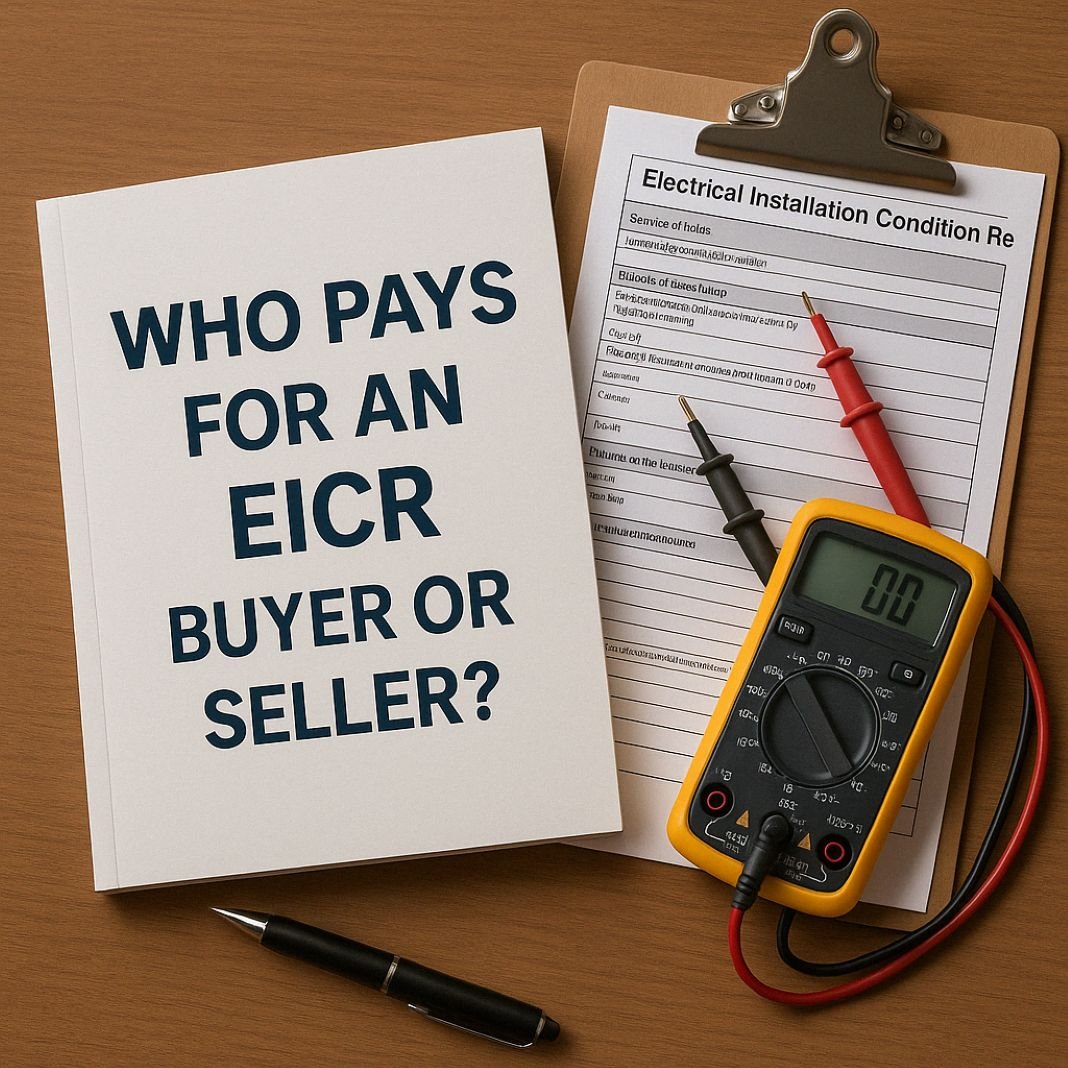
In most property sales throughout the UK, the buyer is usually responsible for paying for the Electrical Installation Condition Report. This report, commonly referred to as an EICR, is requested by the buyer to ensure that the electrical installation is safe and compliant with current wiring regulations. While it is not mandatory for sellers to provide one, a recent and valid EICR can help build trust and reduce delays. However, the cost and responsibility for arranging the report can sometimes be negotiated between the parties.
Here's What We Have Covered In This Article

What is an Electrical Installation Condition Report?
Definition and purpose
An Electrical Installation Condition Report is a formal document produced following a thorough inspection of a property’s electrical systems. A qualified electrician carries out tests and visual checks to assess the condition of circuits, sockets, light fittings, consumer units, and fixed wiring. The aim is to determine whether the electrical installation is safe for continued use and complies with the latest version of BS 7671, also known as the IET Wiring Regulations.
Why is an EICR important?
Even though it is not legally required during a sale, having an EICR helps identify electrical defects, outdated wiring, or overloaded circuits that could present a safety risk or cause issues with insurance. For landlords, obtaining an EICR every five years is a legal duty. For homebuyers, requesting an EICR can support informed decision making and protect against hidden repair costs.
Does the buyer or seller pay for the EICR?
Typically the buyer
Most buyers choose to commission their own EICR to verify the condition of the property’s electrics. This ensures the electrician is working on their behalf, offering an unbiased report. It also enables buyers to negotiate based on the findings and protect their investment.
When the seller covers the cost
In some cases, especially where a property has been on the market for a while or the seller is keen to close the sale quickly, the seller may offer to provide an EICR. This can make the property more appealing and remove barriers to exchange. Sellers who have had recent electrical work completed often share an up to date EICR to support their asking price.
Is an EICR legally required for house sales?
Not for private sales
There is no legal requirement for a seller to provide an EICR when selling a property for owner occupation. However, buyers frequently request one as part of their due diligence, particularly for older properties or those with visible signs of wear.
For rental properties
Landlords must have a valid EICR in place for rental homes under the Electrical Safety Standards in the Private Rented Sector Regulations. This includes inspections every five years or when a new tenancy begins. If the property is being sold with tenants in situ, a valid report should already exist and can be shared with the buyer.
How much does an EICR cost?
Average prices by property type
EICR prices vary depending on the size, age, and complexity of the property, as well as location. Here is a general cost guide for EICR’s:
Affordable EICR Certificates for All Properties
-
- Residential Properties:
- Commercial Properties:
Get custom quotes for offices, retail spaces, and more based on your specific needs.
These prices reflect the time required for a comprehensive inspection and any additional testing needed for complex installations.

Factors affecting price
Older properties, houses with dated consumer units, or those that have been extended or modified without recent certification often take longer to inspect. Homes with modern consumer units, clear labelling, and recent rewire work usually require less time and may reduce costs.
What happens if an EICR finds electrical issues?
If the EICR highlights faults or recommends remedial work, the buyer can use the report to negotiate with the seller. For example, the buyer may ask for a reduction in the purchase price or request that repairs are carried out before exchange. These decisions depend on the scale of the issues, the property market, and how motivated each party is to complete the sale.
EICRs include a classification system:
-
Code C1 indicates danger present and immediate action required
-
Code C2 indicates potential danger and urgent improvement needed
-
Code C3 suggests improvement recommended but not urgent
Only Code C1 and C2 outcomes mean the installation fails. A report that results in a fail will list required actions to make the installation safe.
Protect Your Property and Your Business
Avoid fines and keep your tenants safe. Let us manage your electrical compliance and scheduled inspections.
/
Should buyers still get an EICR if the seller has one?
Peace of mind matters
Even if the seller provides an EICR, many buyers choose to commission their own report to confirm the findings. By doing this, they become the client of record, which gives them more protection if issues arise later.
Validity of existing reports
An EICR is valid for five years, but changes to the electrical installation after the report date may affect its accuracy. If a seller’s report is more than a year old or there have been modifications to the electrics, a fresh EICR is often advised.
Do home surveys cover electrics?
What surveyors usually include
Standard homebuyer surveys often suggest that the electrical system should be tested by a qualified electrician. This is because surveyors are not trained or authorised to carry out electrical inspections.
Buyer response
When this recommendation appears in the survey, it is common for buyers to follow through with an EICR. This ensures a clearer picture of the property’s condition and avoids making assumptions based on visual checks alone.
You can read more about related safety checks like gas safety certificates or the EPC certificate as part of property compliance in the UK.
Need to Book a Commercial EICR?
Ensure your building stays compliant and safe. We work with NICEIC-approved electricians across the UK to deliver certified inspections.
How can an EICR support a smoother sale?
Seller initiative
A seller who arranges an EICR before listing the property helps avoid delays during the sale process. By dealing with issues early or sharing a recent certificate, they can reduce the likelihood of buyers pulling out due to unknown risks.
Competitive advantage
In areas where multiple homes are on the market, having an EICR ready can help a seller stand out. It signals openness and shows that the property has been properly maintained.
Summary
Most of the time, buyers pay for the EICR as part of their checks before they commit to buying a property. However, sellers can benefit by providing one upfront, especially if they want a quicker sale or want to build confidence with prospective buyers. Whether you are buying your first home or selling a rental, an EICR offers a clear picture of the electrical safety of a property and often helps avoid unpleasant surprises later.
FAQs
Is an EICR legally required when selling a house? No, unless the property is being sold as a rental with tenants. For private sales, it is not required by law.
Who arranges and pays for the EICR? Usually the buyer, unless a different arrangement is made during the sale negotiations.
Can I use an existing EICR for a sale? Yes, as long as it is valid and accurately reflects the current state of the electrical system. Buyers may still choose to get their own.
What if the EICR identifies faults? The buyer may use the findings to renegotiate the price or request that the work is completed before exchange.
How long does an EICR last? It is generally valid for five years if no major changes have been made to the installation.