What does a C1 or C2 result on a commercial EICR mean for commercial landlords in London?
A C1 or C2 result on an Electrical Installation Condition Report highlights hazards that must be resolved without delay, signalling an EICR failure in commercial settings and showing that electrical installation conditions require prompt corrective work. A C1 signals active danger that demands immediate attention. A C2 indicates a condition that could become dangerous and still requires swift remedial work. These findings influence safety duties, insurance expectations, tenant operations and the ongoing cost of managing fixed wiring in London commercial properties, adding weight to commercial landlord EICR duties and long term safety planning. They also show that parts of the installation fall short of BS 7671 standards.
Here's What We Have Covered In This Article
1. Hidden Cost 1: Emergency Remedial Repairs That Spiral Beyond the Quote
Urgent electrical repairs often expose more issues once a contractor begins opening equipment. A distribution board might reveal worn breakers. Concealed wiring may show signs of deterioration. Many older London properties contain outdated components that no longer meet British Standards and often include ageing circuits or legacy electrical systems that require hazard removal and safety rectification.
C1 hazards can lead to emergency callout fees because the risk is immediate and linked to a danger present electrical code classification. C2 items may grow in scope after further inspection, especially when underlying electrical defects or hazardous observations have not been addressed quickly. Older wiring, worn insulation and incompatible components often increase spending. NICEIC approved contractors work to strict technical requirements, and replacing boards or adding RCD protection usually reflects the true state of the installation.
How to Deal With It: Controlling Repair Costs Before They Escalate
A clear, detailed quotation helps landlords understand the work ahead. Photos and videos make faults easier to verify. Breaking the repairs into stages allows necessary items to be completed first and gives landlords more time to plan.
Choosing quieter trading periods for repairs can reduce labour costs. Keeping digital folders organised with certificates and evidence makes tracking expenses far simpler and keeps budgets predictable.

Pro Tip: A detailed record of your remedial work improves your insurance position and speeds up renewals.
2. Hidden Cost 2: Tenant Downtime, Operational Interruptions and Out of Hours Fees
Repairs often require power isolation, which affects every type of commercial tenant and creates operational disruption and trading interruptions. Restaurants may need to pause service. Retail units may lose sales. Gyms may stop classes until power is restored.
Many tenants cannot allow daytime access. This forces landlords to arrange evening or weekend work at higher rates. Some tenants request temporary rent reductions when outages affect business. If access is delayed, repair schedules become longer. Safe isolation procedures, required under the Electricity at Work Regulations, also add planning time.
How to Deal With It: Minimising Disruption for High Demand London Tenants
Communication makes a noticeable difference. Early coordination with tenants helps secure suitable time slots. Night shift electricians offer flexibility when daytime access is not possible.
Shared calendars and routine updates ensure that everyone understands the schedule. When landlords, managers and tenants cooperate, downtime is easier to control.
3. Hidden Cost 3: Insurance Complications, Premium Increases and Claim Rejections
Insurers treat unresolved C1 and C2 items as heightened risks. These findings affect premiums and can influence renewal terms. Providers often request updated certificates and proof that remedial work has been completed.
Premiums may rise when hazards remain unresolved and risk assessment documentation shows outstanding defect resolution. Claims can be refused if an incident stems from an issue previously highlighted in an EICR. Landlords face financial exposure if urgent repairs are postponed.
How to Deal With It: Staying Compliant to Keep Your Cover Valid
Keeping certificates and remedial documents organised strengthens a landlord’s position at renewal. Informing insurers when hazards are resolved helps maintain favourable terms. Asking what evidence they expect and carrying out retests on time supports compliance.
Digital folders that hold certificates, reports and correspondence form a clear audit trail and reduce renewal issues.
Pro Tip: Planning upgrades during quiet periods reduces disruption and controls labour costs.
Get Your Commercial EICR Completed Fast
Ensure your property stays safe and compliant with a professional EICR carried out by certified inspectors.
4. Hidden Cost 4: Lease Disputes, Service Charge Limitations and Legal Exposure
Landlords sometimes assume that an FRI lease covers all repairs. Electrical safety responsibilities can override this belief. Disputes often appear when tenants question who must handle the repairs, especially if trading hours are affected.
Tenants may restrict access during busy periods. Service charge caps can limit recovery options. Break clauses and covenant requirements add pressure. Solicitors and RICS guidance make clear that all obligations depend on the exact wording of the lease.
How to Deal With It: Protecting Your Position Under Commercial Leases
Sharing EICR findings quickly helps prevent disagreements. Confirming responsibilities in writing provides clarity. Keeping an access log records attempts to arrange repairs.
Including clear EICR terms in future leases reduces repeated disputes. A calm and steady tone also helps maintain strong landlord tenant relationships.
Fix C1 and C2 Issues Without Delay
Resolve electrical hazards quickly with reliable remedial work that keeps your business protected.
5. Hidden Cost 5: Older Electrical Installations Triggering Major Upgrade Costs
Older installations often reveal wider issues once work begins. Legacy wiring, failing insulation and ageing metal boards frequently require replacement as part of long term planning strategies and future proof safety planning. Adding modern safety devices usually takes more than swapping components and may involve partial rewiring.
Some buildings show signs of inconsistent historic workmanship. These faults create additional work and increase costs. C1 and C2 findings are often the first visible signs of system deterioration.
How to Deal With It: Planning Ahead for Cost Effective Modernisation
Planning upgrades over several years makes spending more manageable. Phased work aligns well with planned refurbishments. A planned preventive maintenance framework improves cost forecasting and helps protect building assets.
A structured multi year modernisation plan gives landlords more control and helps contractors organise work efficiently.
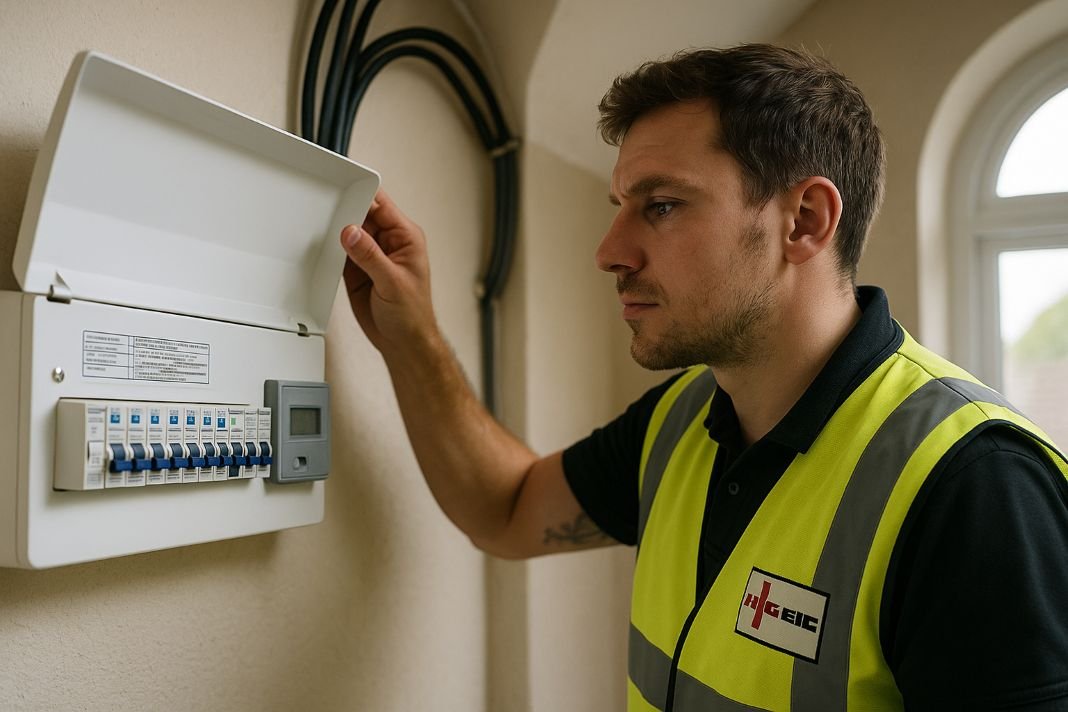
An AI photo of an electricial performing an EICR Test.
Local Considerations for NW, SW and West London Commercial Properties
Each London district presents its own challenges. NW London often contains older buildings that require careful upgrade planning. SW London hospitality sites may need night access due to extended operating hours. West London mixed use properties often draw higher electrical loads.
Local boroughs and licensing bodies hold their own expectations for electrical safety. Building age, layout and access restrictions all influence the planning and cost of remedial work.
How Professional EICR Support Helps You Avoid Hidden Costs
Experienced NICEIC or NAPIT contractors reduce risk by completing accurate assessments and providing clear guidance. Transparent quotations and efficient scheduling help landlords predict costs. A service that manages inspections, repairs and certification supports long term compliance.
A clear workflow from testing to certification reduces unexpected expenses and helps landlords maintain safe working environments.
Final Thoughts: Staying Safe, Compliant and Cost Efficient
A C1 or C2 result can be handled with steady planning. Organisation and clear communication help landlords manage costs and reduce exposure.
Consistent budgeting, strong relationships with tenants and regular maintenance all support safer and more reliable commercial spaces.
Useful Links
-
Health and Safety Executive Electrical Safety Guidance: https://www.hse.gov.uk/electricity
-
British Standards Institution Information on BS 7671 Wiring Regulations: https://www.bsigroup.com/en GB/